Continuing Education in a Digital Age: Supporting the Transition to New Ways of Working

Continuing Education in a Digital Age: Supporting the Transition to New Ways of Working
Digital transformation has reshaped how New Zealanders work, learn, and connect. From remote offices in small towns to global collaborations across time zones, technology has opened new possibilities—and new challenges. In this environment, continuing education is no longer optional. It is essential for individuals, businesses, and communities seeking to thrive in a rapidly changing world.
This article explores how lifelong learning can support the transition to new ways of working and how both employers and employees in Aotearoa New Zealand can embrace the opportunities of the digital age.
A Working Day in Transition
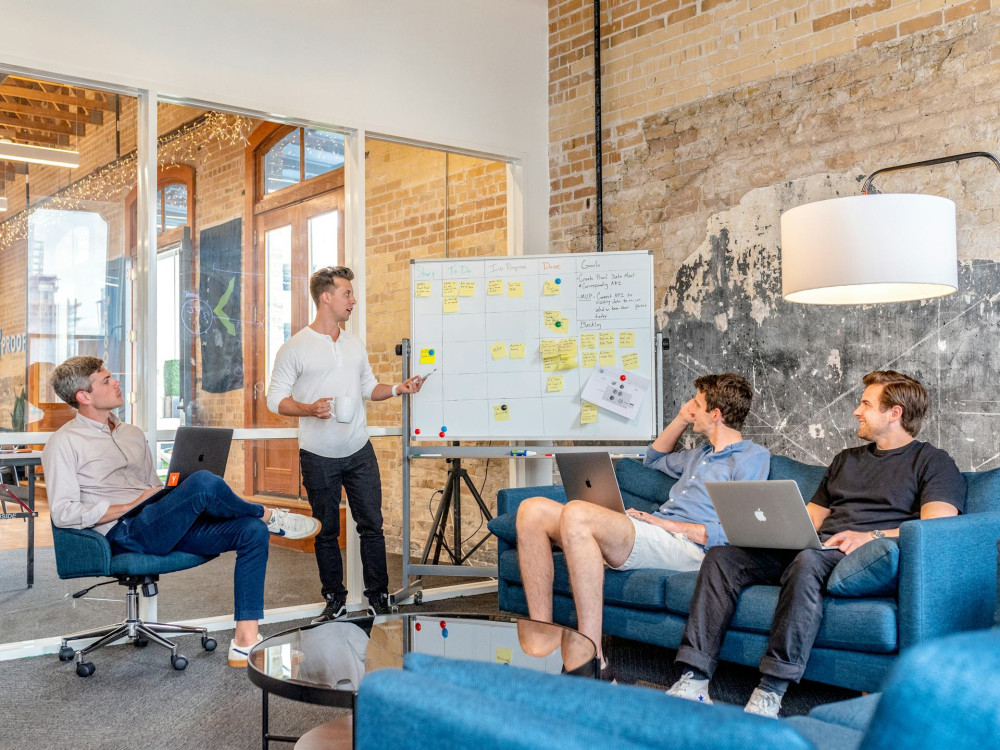
Hybrid work, online collaboration, and digital tools have become part of everyday life for many New Zealanders. Whether in education, healthcare, agriculture, or tech, the ability to adapt to digital systems and maintain strong communication across distance is now a core skill.
Where once it was enough to master a company’s internal systems, today’s workers must navigate multiple platforms, manage virtual meetings, and stay motivated even when colleagues are scattered across the country. Continuing education helps build these capabilities—combining technical upskilling with the soft skills needed for teamwork, leadership, and wellbeing in a digital environment.
Lifelong Learning as a Competitive Advantage
In a digital economy, learning is not a one-time event but an ongoing process. Automation, artificial intelligence, and data-driven decision-making are changing job roles across industries. To stay relevant, workers must continuously update their skills.
For New Zealand businesses, investing in employee development can lead to higher engagement, stronger retention, and greater adaptability. For individuals, it can mean career security, personal growth, and renewed purpose. Lifelong learning is not just about keeping up—it’s about staying ahead and shaping the future of work.
Læs også:

New Learning Models – Flexibility and Accessibility
Digitalisation has also transformed how we learn. Online courses, micro-credentials, and blended learning programmes offered by New Zealand universities, polytechnics, and private providers make education more flexible and accessible than ever before.
Busy professionals can now study part-time, from home, or even from the marae or farm, integrating learning into daily life. Many organisations are also partnering with tertiary institutions to design short, targeted courses that meet specific industry needs. This approach supports both productivity and inclusion, ensuring that learning opportunities reach people in all regions of the country.
Digital platforms also encourage collaboration and knowledge sharing across sectors and borders. Learners can exchange experiences, build networks, and co-create solutions—strengthening innovation and community resilience.
The Role of Leadership in Digital Transformation
Successful continuing education requires more than good courses—it requires a culture that values learning. Leaders play a crucial role in creating that culture.
Managers and business owners need to encourage curiosity, experimentation, and open dialogue. They should model lifelong learning themselves, showing that professional development is part of everyday work, not an extra task. When learning becomes embedded in organisational strategy, digital transformation becomes less about disruption and more about opportunity.
From Skills Development to Wellbeing
Continuing education is not only about acquiring new skills. It also supports wellbeing and job satisfaction. Learning something new fosters confidence and a sense of progress, helping to reduce stress and uncertainty during times of change.
Shared learning experiences can strengthen team relationships and build a sense of belonging—even in remote or hybrid workplaces. When employees feel that their growth is valued, motivation and loyalty increase. Investing in learning is therefore both a human and an economic decision.
The Future of Continuing Education – People at the Centre
While technology drives change, people remain at the heart of progress. The future of continuing education in New Zealand must balance digital competence with human capability—creativity, empathy, collaboration, and critical thinking.
These are the qualities that enable us to use technology wisely and to build workplaces where innovation and wellbeing go hand in hand. Continuing education in a digital age is ultimately about preparing ourselves to be adaptable, curious, and connected—ready to shape the future of work in Aotearoa and beyond.
Læs også: