Service with a Smile: Making the Canteen Part of the Overall Workplace Experience


Service with a Smile: Making the Canteen Part of the Overall Workplace Experience
For many employees, lunch is the highlight of the day – a welcome break to recharge, connect with colleagues, and step away from the screen. But the canteen is more than just a place to eat. It’s a reflection of workplace culture, a social hub, and an important part of the overall employee experience. When great food, friendly service, and a welcoming atmosphere come together, the canteen can become a strategic asset that strengthens wellbeing and belonging at work.
The Canteen as a Cultural Mirror
A modern workplace canteen reflects the values of the organisation. Is there a focus on sustainability, health, or community? These priorities can be seen in everything from the menu to the design. A company committed to sustainability might highlight locally sourced ingredients, reduce food waste, and offer more plant-based options. A business that values innovation might experiment with new flavours, interactive food stations, or themed menus that spark curiosity.
When employees see their company’s identity reflected in the canteen, lunch becomes a natural extension of the workday – not a break from it.
Service That Sets the Tone
Food quality matters, but service is what shapes the experience. A warm smile, a friendly greeting, or a quick chat at the counter can make a big difference. Canteen staff are often among the first people employees meet each day, and their attitude can set the tone for the hours that follow.
That’s why service should be seen as an integral part of the canteen’s role, not an add-on. Training in hospitality, communication, and customer care can be just as important as culinary skills. When employees feel seen and welcomed, it creates a ripple effect of positivity and engagement across the workplace.
A Place for Connection and Community
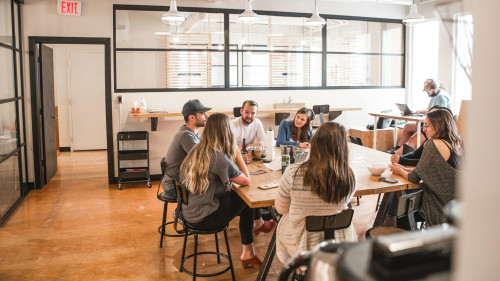
The canteen is one of the few places where everyone meets on equal terms. The CEO might sit next to a new graduate, and conversations can range from weekend plans to new project ideas. This makes the canteen a natural space for building relationships and strengthening teamwork.
Employers can make the most of this by using the canteen as a social hub. Think themed lunches, shared breakfasts, cooking workshops, or small events that bring people together. Informal interactions often lead to stronger collaboration and better communication – benefits that extend well beyond the lunch hour.
Design and Atmosphere Matter
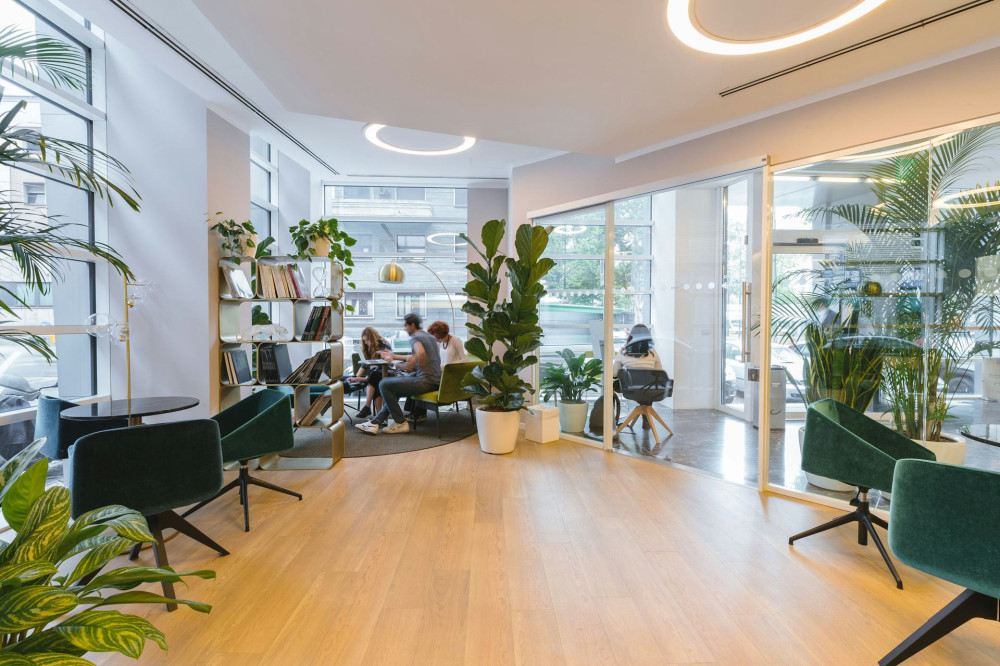
The physical environment plays a big role in how the canteen is experienced. Light, sound, colour, and furniture all influence mood and appetite. A bright, open space with greenery and flexible seating invites people to stay and chat, while a dark or noisy room can feel stressful and uninviting.
Many New Zealand workplaces are now designing canteens as multi-purpose spaces that can also host meetings, brainstorming sessions, or casual catch-ups. This approach turns the canteen into a living part of the daily rhythm – not just a place to visit between 12 and 1.
Læs også:



Sustainability as a Shared Commitment
Sustainability is no longer a niche concern – it’s an expectation. The canteen is a tangible place where a company’s environmental values can come to life. This might mean reducing food waste, using seasonal produce, cutting down on single-use packaging, or offering more vegetarian and vegan options.
Involving employees in these efforts – through menu feedback, waste reduction challenges, or local supplier spotlights – helps make sustainability a shared project. It builds pride and a sense of ownership that extends beyond the dining area.
An Investment in Wellbeing and Belonging
A well-run canteen is not just a cost; it’s an investment in employee wellbeing. Research shows that positive meal experiences at work can boost satisfaction, productivity, and loyalty. When people look forward to lunch, they often look forward to the workday too.
Making the canteen part of the overall workplace experience is therefore not only about food – it’s about people, relationships, and culture. Service with a smile isn’t just good manners. It’s good business.
Læs også: