Efficient Cleaning Without Strain: How to Use Your Body Properly in Everyday Life

Efficient Cleaning Without Strain: How to Use Your Body Properly in Everyday Life
Cleaning is part of everyday life – whether you’re tidying your home, maintaining a workplace, or helping out in the community. But many people underestimate how physically demanding it can be. Repetitive movements, awkward postures, and heavy lifting can lead to back, shoulder, and knee pain over time. The good news is that with a few simple adjustments in technique and planning, you can make cleaning easier and safer for your body. Here’s how to clean efficiently without putting yourself at risk.
Plan Your Work – and Avoid Unnecessary Movements
Good ergonomics start with good planning. Thinking through your tasks before you begin can save you time and effort.
- Work from top to bottom. Dust and dirt fall downwards, so start with higher surfaces and finish with the floor.
- Group similar tasks. If you’re using the same cleaning product in several rooms, do those areas in one go.
- Keep your tools organised. A caddy or bucket on wheels helps you keep everything within reach, reducing the need to walk back and forth.
Short breaks are also part of smart planning. They give your muscles time to recover and help prevent fatigue and tension.
Use Your Legs – Not Your Back
Back pain is one of the most common issues related to cleaning work. The best way to prevent it is to use your legs when lifting or bending.
- Bend your knees, not your back. Keep your spine straight and use your leg muscles to lift.
- Hold items close to your body. The closer the load, the less strain on your back.
- Avoid twisting. Turn your whole body instead of twisting your spine when moving objects.
If you need to move something heavy, use a trolley or ask for help. It’s always better to take a little extra time than to risk an injury.
Læs også:
Adjust Tools to Fit Your Height
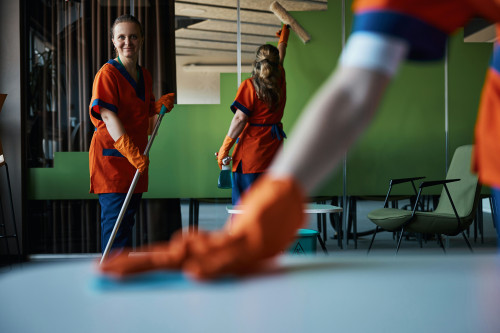
Poorly adjusted tools can quickly lead to shoulder and arm strain. Make sure handles and shafts suit your height.
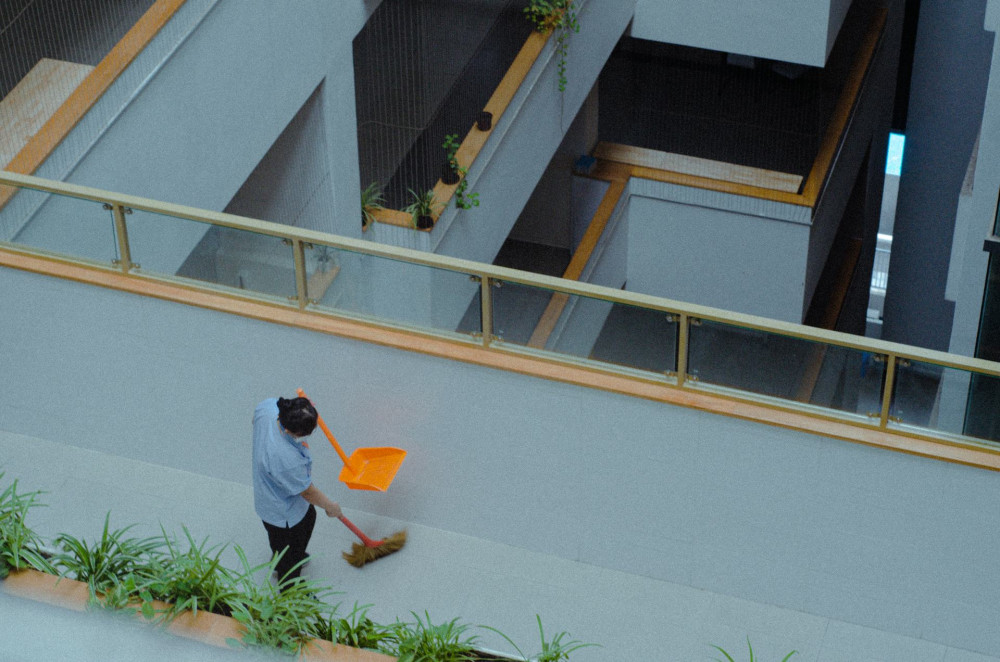
- Mop and broom handles should reach between your chin and nose when you stand upright.
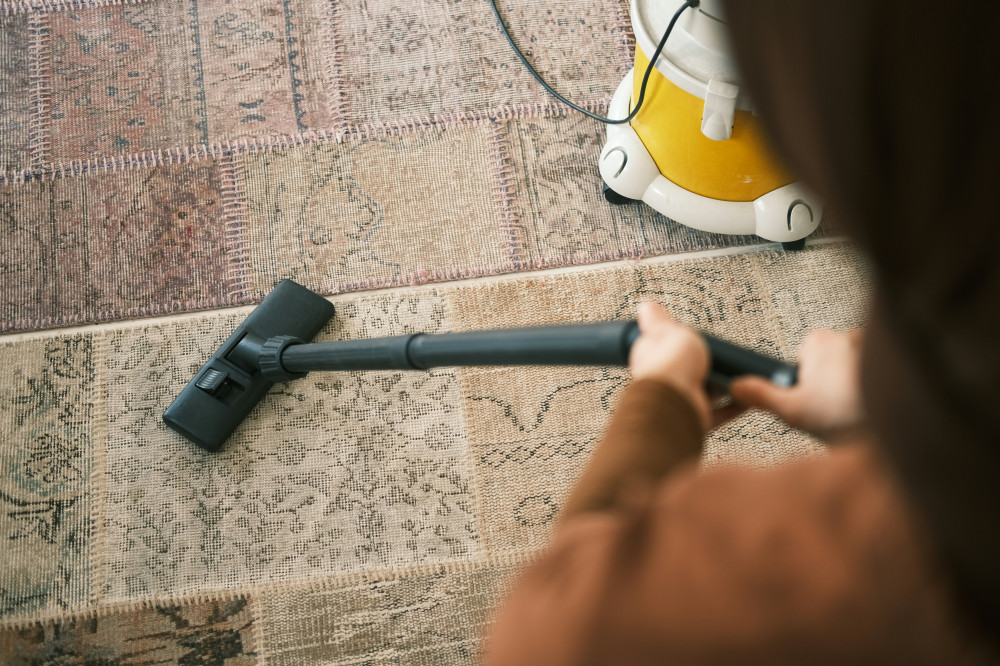
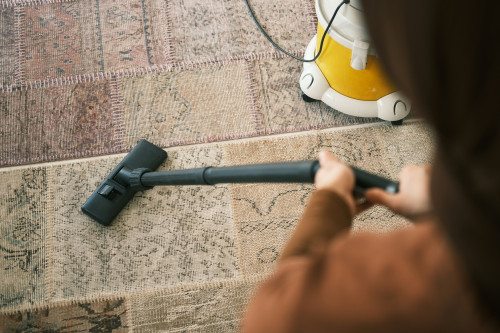
- Vacuum hoses should allow you to work with a relaxed posture, without bending forward.
- Alternate hands regularly. Switching sides helps distribute the workload and prevents repetitive strain.
A comfortable grip also matters. Avoid squeezing handles too tightly – a relaxed hold reduces tension in your arms and wrists.
Vary Your Movements and Postures
Even the best posture can become uncomfortable if you hold it for too long. Variation is key to keeping your body healthy.
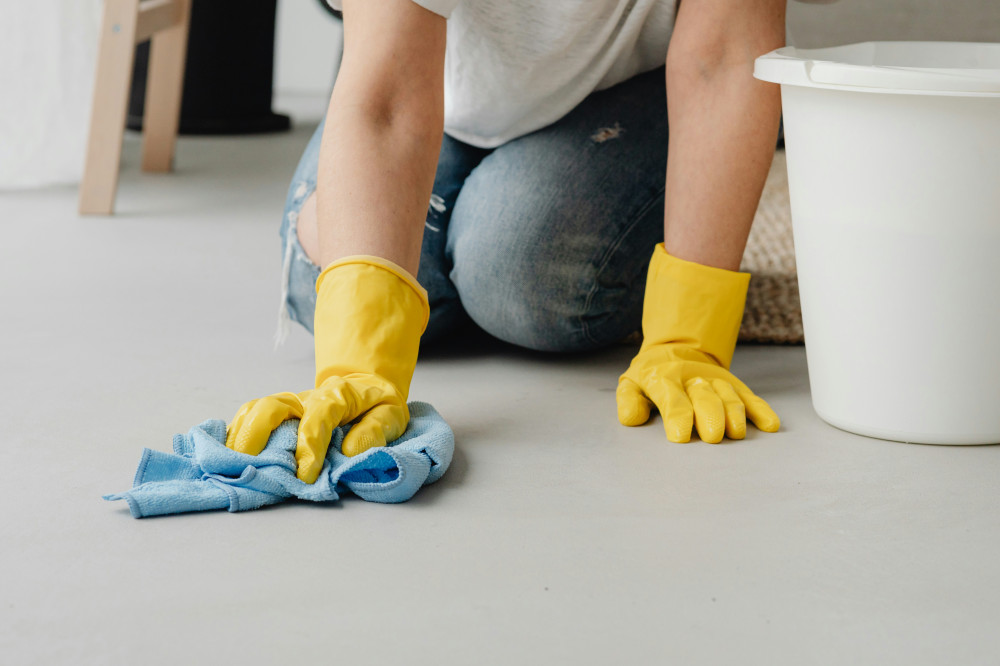
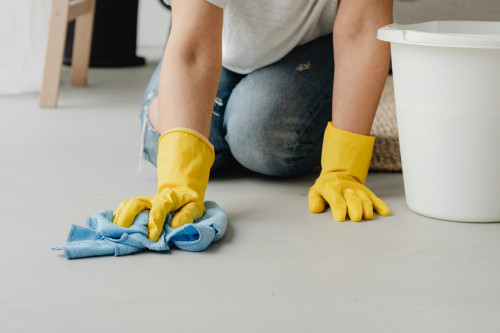
- Alternate between standing, walking, and squatting.
- Use different motions when wiping or vacuuming.
- Do light stretches during breaks – especially for your shoulders, neck, and lower back.
Think of cleaning as a form of gentle exercise. Moving in different ways strengthens your muscles and keeps your circulation active.
Make Ergonomics a Habit
Using your body correctly takes awareness at first, but soon becomes second nature. Many professional cleaners follow the principle of “small adjustments – big difference.” It’s about paying attention to how you move and making changes when something feels uncomfortable.
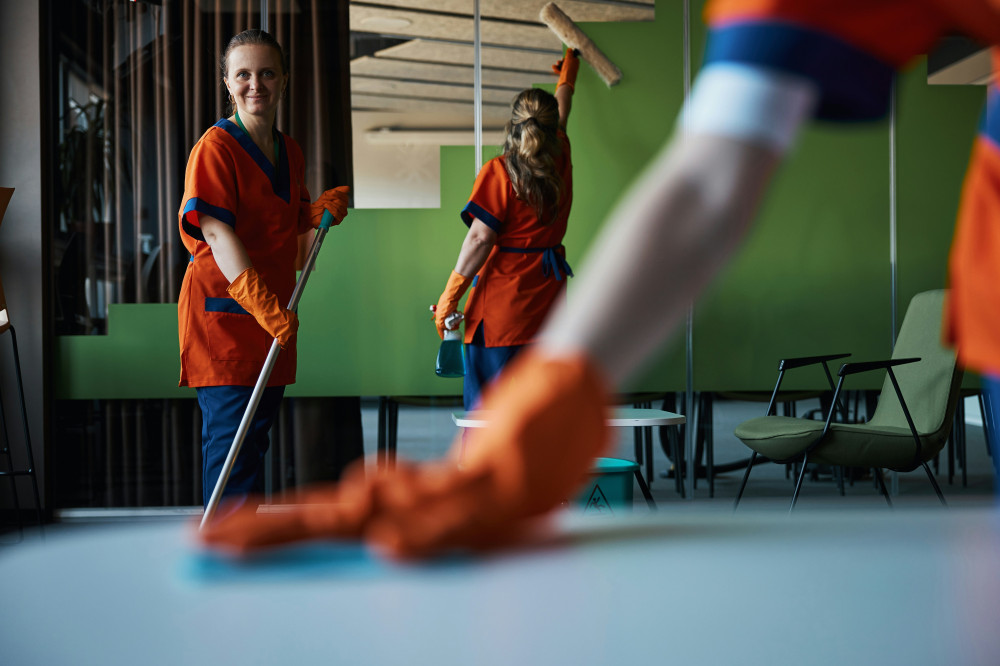
If you work with others, talk about ergonomics as a team. Share tips and help each other find smarter ways to get the job done. Good posture isn’t just a personal responsibility – it’s a shared investment in health and efficiency.
A Healthier Everyday Routine
Cleaning doesn’t have to be hard on your body. With thoughtful planning, the right tools, and mindful movement, you can make your work both faster and more comfortable. It’s not about doing less – it’s about working smarter.
By taking care of your body in everyday tasks, you’ll have more energy, fewer aches, and a greater sense of wellbeing – whether you’re cleaning at home, on the job, or helping out in your local New Zealand community.
Læs også: