Plan your cleaning smartly: Save energy and water without compromise

Plan your cleaning smartly: Save energy and water without compromise
Cleaning is an essential part of everyday life – at home, in offices, and in public spaces. But it doesn’t have to be wasteful. With a bit of planning and the right approach, you can keep your surroundings spotless while reducing both energy and water use. Smart cleaning is about strategy, equipment, and habits. Here’s how you can make your cleaning routine more efficient and sustainable – without compromising on hygiene.
Know your needs – and plan accordingly
One of the biggest sources of waste in cleaning is doing more than necessary: using too much water, too much detergent, or cleaning areas more often than needed. Start by identifying where and when cleaning is truly required.
- Create a cleaning schedule – divide spaces based on how often they’re used. A busy kitchen or bathroom needs more frequent cleaning than a spare room or hallway.
- Set realistic intervals – daily cleaning for high-touch areas, but perhaps only weekly for low-traffic zones.
- Coordinate tasks – group cleaning activities together to avoid turning on lights or ventilation multiple times a day.
A well-thought-out plan saves not only energy but also time and resources.
Choose equipment that makes a difference
Modern cleaning tools are designed to be both effective and environmentally friendly. Investing in the right equipment can quickly pay off through lower consumption and better results.
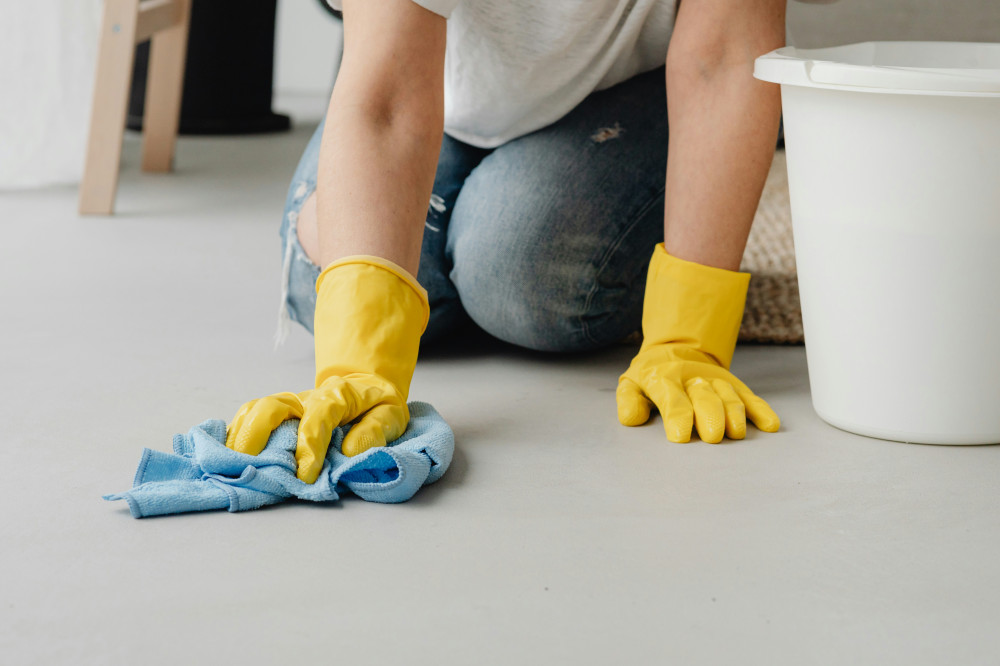
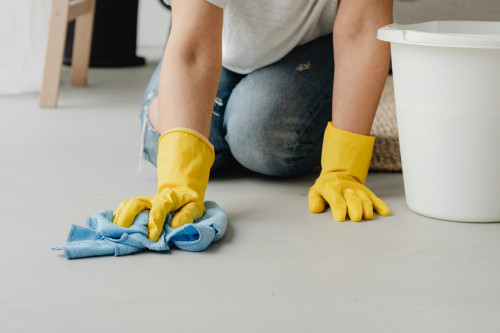
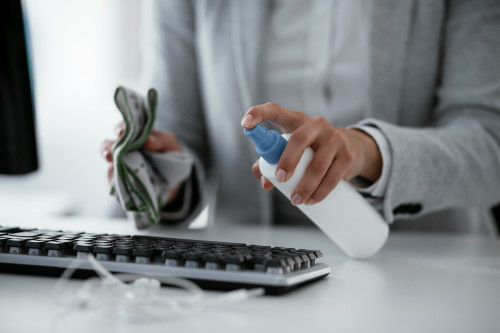
- Microfibre cloths and mops use far less water and detergent than traditional options – and they can be washed and reused many times.
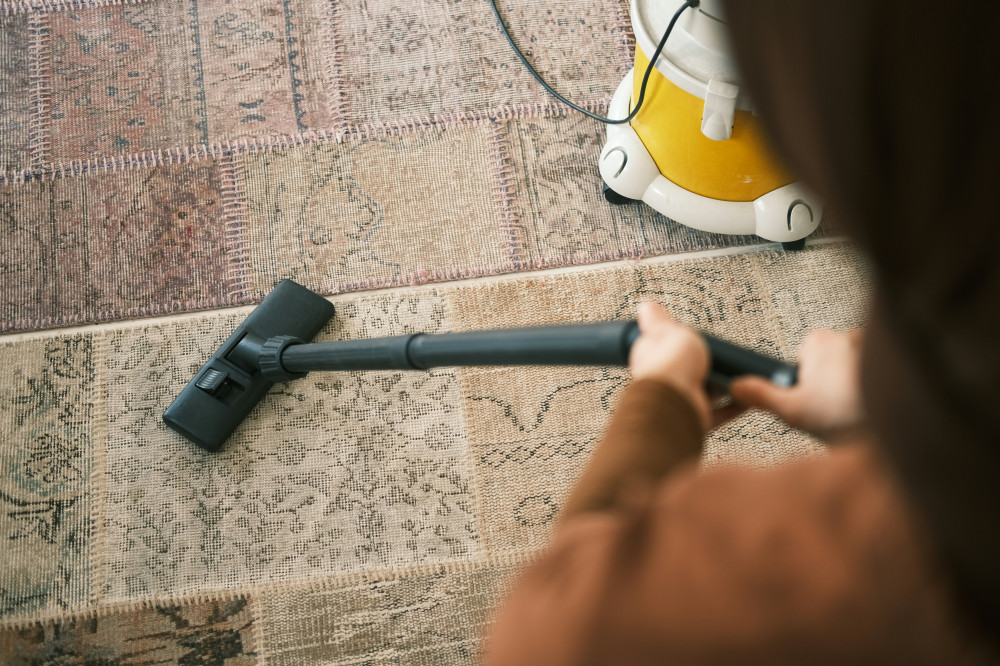
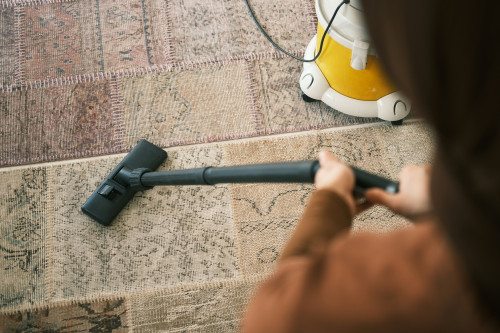
- Energy-efficient machines, such as low-wattage vacuum cleaners or floor scrubbers with built-in dosing systems, help reduce both electricity and water use.
- Automatic dosing systems ensure you use just the right amount of cleaning product – protecting both surfaces and the environment.
Always check energy ratings and manufacturer recommendations when buying new equipment.
Læs også:
Use water wisely
Water is one of the most valuable resources in New Zealand – and one that’s increasingly under pressure in many regions. Cleaning often involves unnecessary water waste, but small changes can make a big difference.
- Fill only the amount of water you actually need.
- Use a two-bucket system to avoid spreading dirt back onto clean surfaces.
- Consider steam cleaning, which uses minimal water and no chemicals.
- Fix dripping taps and leaking hoses – even small leaks can waste hundreds of litres over time.
By being mindful of water use, you’ll save money and help protect local waterways and ecosystems.
Think about energy – even while cleaning
Cleaning often involves electricity for machines, lighting, and ventilation. With a few simple adjustments, you can significantly reduce your energy footprint.
- Turn off lights and machines when not in use.
- Take advantage of natural daylight whenever possible.
- Schedule cleaning during times when the building’s systems, like heating or ventilation, are already running.
- For larger jobs, use battery-powered or energy-efficient machines instead of older, power-hungry models.
Energy savings come not just from technology, but from everyday habits.
Train and motivate your team
Even the best plan only works if everyone follows it. That’s why it’s important to involve and educate cleaning staff or household members about why saving energy and water matters.
- Provide regular training on correct dosing, machine use, and ergonomics.
- Share results and savings – it’s motivating to see that small changes make a real difference.
- Encourage feedback and new ideas – those doing the cleaning often know best where improvements can be made.
When everyone works toward the same goal, sustainable cleaning becomes second nature.
Small steps – big impact
Saving energy and water in cleaning isn’t about doing less cleaning – it’s about doing it smarter. With thoughtful planning, the right tools, and a few habit changes, you can achieve significant savings without sacrificing cleanliness or hygiene.
Sustainable cleaning is good for the environment, your wallet, and your wellbeing. And it all starts with one simple step: thinking of cleaning as a process that can be optimised for a better future.
Læs også: