Set up a flexible home office that adapts to your work tasks

Set up a flexible home office that adapts to your work tasks
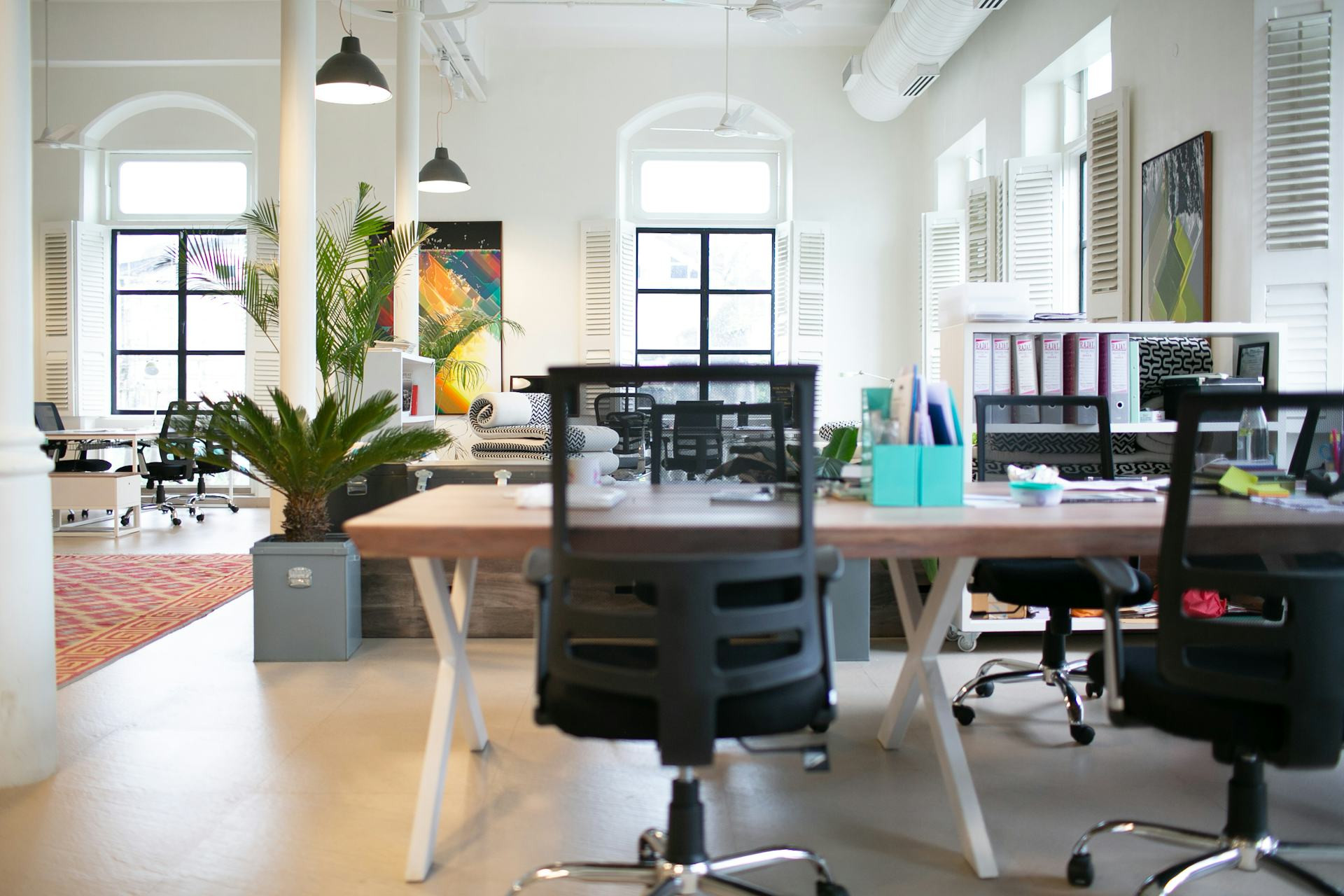
A home office is no longer just a desk in the corner of the living room. For many New Zealanders, it has become a permanent workspace where focus, creativity, and comfort need to work together. But how do you create a setup that adapts to different kinds of tasks – from video calls and deep work to collaboration and breaks? Here’s how to design a flexible home office that fits your daily routine.
Think in zones – not just furniture
A flexible home office is about being able to shift between work modes. Instead of one fixed desk, divide your space into zones:
- Focus zone – a quiet spot with good lighting and an ergonomic chair for concentrated work.
- Meeting zone – an area with a neutral background and good acoustics for video calls.
- Creative zone – a space where you can stand, use a whiteboard, or brainstorm ideas.
Even in smaller Kiwi homes or apartments, you can create zones using rugs, screens, or lighting to define different functions.
Choose adjustable furniture
Flexibility starts with furniture that adapts to you. A height-adjustable desk lets you alternate between sitting and standing, while a chair with adjustable height and back support helps prevent tension in your neck and shoulders.
Consider mobile options too: a small side table on wheels or a foldable workstation can make it easy to reconfigure your space when your tasks change. If you share your home office with others, this kind of flexibility is especially useful.
Create an environment that supports focus
A productive home office isn’t just about furniture – it’s also about atmosphere. Sound, light, and air quality all affect how well you work.
- Light: Combine natural daylight with adjustable lamps. Avoid glare behind your screen.
- Sound: Use rugs, curtains, or acoustic panels to reduce echo. Noise-cancelling headphones can also help.
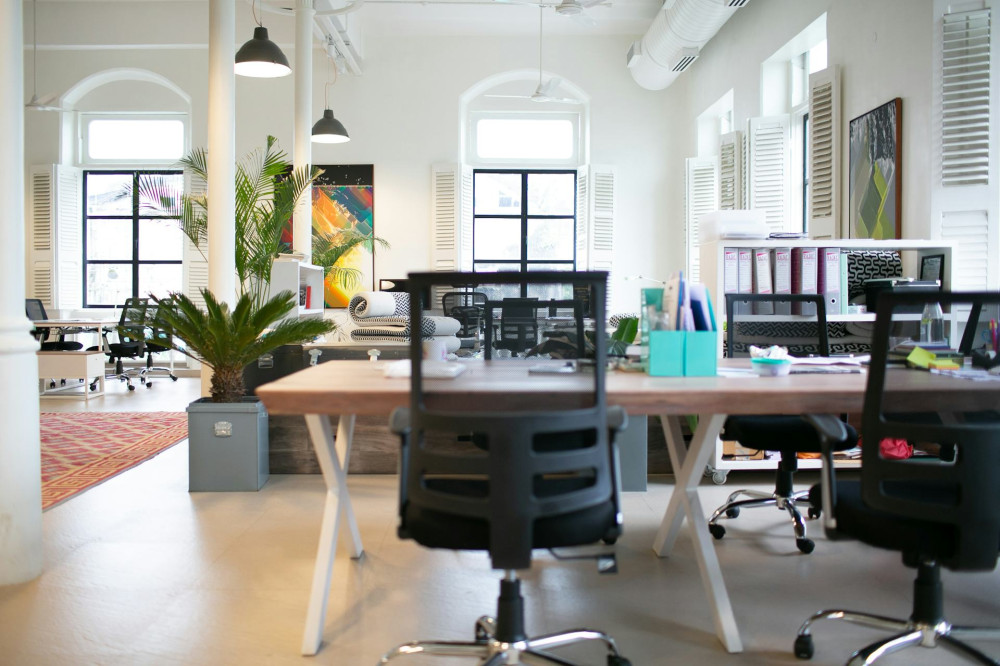
- Air: Keep the air fresh and add some indoor plants – they improve both air quality and mood.
New Zealand’s mild climate makes it easy to open windows for fresh air, but be mindful of seasonal humidity and pollen if you’re sensitive.
Make technology your ally
A flexible workspace depends on reliable technology. Ensure you have a stable internet connection, a good monitor, and a quality headset with a microphone to avoid frustration during meetings.
Go wireless where possible – it keeps your space tidy and makes it easier to move around. A docking station can also save time when switching between laptop and desktop setups.
Add personality – but keep it simple
Your home office should be a place you enjoy spending time in. Personal touches like artwork, books, or photos can make the space feel inspiring. Just be careful not to overcrowd your desk – clutter can distract you.
Choose colours and materials that suit your working style. Some people thrive in bright, minimalist spaces, while others prefer warm tones and textures. The key is to make the space feel like your own.
Læs også:
Make room for breaks and movement
When working from home, it’s easy to blur the line between work and rest. Set aside a small area for breaks – maybe a comfy chair by the window or a spot on the deck to enjoy a coffee.
Movement is just as important. Stand up, stretch, or take a quick walk outside. If you’re lucky enough to live near a park or the beach, use it as a natural reset between tasks. A flexible office isn’t only about furniture – it’s about creating rhythm in your workday.
A workspace that evolves with you
Your home office shouldn’t be static. Your needs will change over time – new projects, new equipment, or a different routine. Make it a habit to review your setup a few times a year.
Small updates like a new lamp, a rearranged shelf, or an extra plant can make a big difference. The goal is to keep your workspace aligned with how you work – whether you’re collaborating online, managing projects, or focusing on creative tasks.
Læs også: