Documentation and Control: The Key to Better Construction from Start to Finish

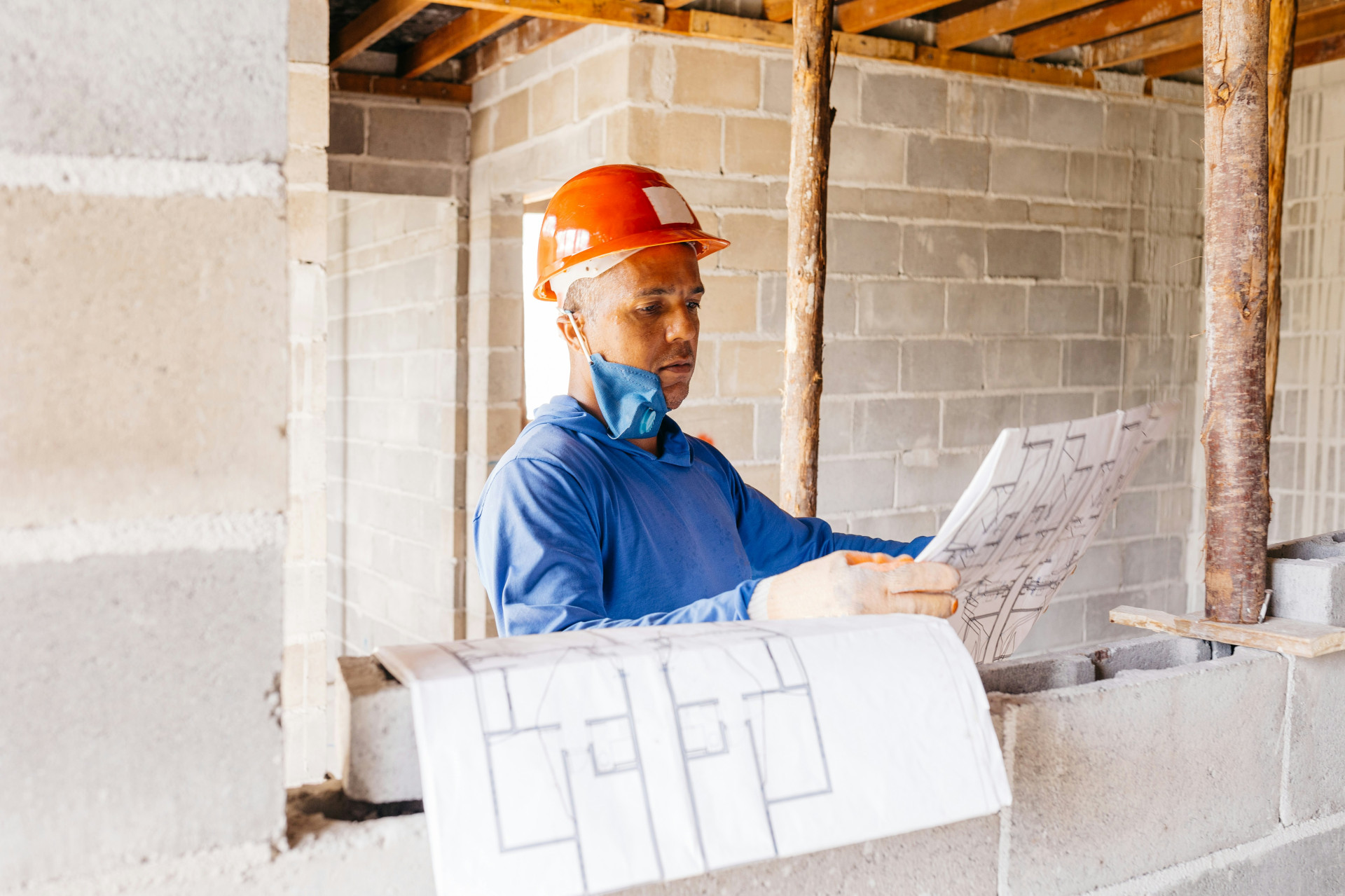
Documentation and Control: The Key to Better Construction from Start to Finish
Construction projects are complex undertakings that bring together many people, materials, and timelines. In such an environment, documentation and control are not just administrative tasks – they are the foundation for quality, safety, and financial management. When documentation is in order and control processes are effective, it becomes easier to build right the first time, avoid costly mistakes, and ensure that both client and contractor achieve a solid result.
Why Documentation Matters
Documentation creates a clear and verifiable record of what has been done, when, and how. It covers everything from material selection and construction methods to quality assurance and compliance with building codes. Without proper documentation, it can be difficult to prove that work meets the required standards – and even harder to identify the cause if something goes wrong.
Good documentation practices provide:
- Confidence for the client, who can follow progress and quality throughout the project.
- Clarity for the contractor, who can demonstrate compliance and avoid disputes.
- Efficiency in operation and maintenance, as the building’s full history is accessible in one place.
In New Zealand, where the Building Act and Building Code set strict requirements for safety and performance, documentation is also a key tool for demonstrating compliance and accountability. As the industry becomes more digital, documentation links design, construction, and long-term building management in a seamless process.
Control as Quality Assurance – Not Bureaucracy
Control is often seen as extra paperwork, but in reality, it is an investment in quality. Regular checks during construction help identify issues early – before they become expensive to fix.
There are several types of control in construction:
- Self-checks, where contractors verify that their own work meets specifications.
- Independent inspections, where third parties assess quality and compliance.
- Regulatory inspections, carried out by councils or accredited building consent authorities.
A structured control plan that follows the project’s stages makes it easier to manage responsibilities and progress. The goal is not to find faults but to prevent them – ensuring that every stage of the build meets expectations and legal requirements.
Digital Tools Make It Easier
Digital technology has transformed how the construction industry handles documentation and control. Where once there were binders and paper forms, today’s projects use digital platforms that provide real-time visibility and collaboration.
With digital solutions, teams can:
- Upload photos and reports directly from the site.
- Receive automatic reminders for inspection points.
- Share documentation instantly with designers, clients, and regulators.
- Ensure everyone works from the latest drawings and specifications.
These tools save time, reduce errors, and make communication more transparent. They also help meet the documentation standards required for sustainability certifications such as Green Star or Homestar, which are increasingly important in New Zealand’s drive toward low-carbon, high-performance buildings.
From Construction to Operation
Documentation and control do not end when the keys are handed over. They are just as important for the building’s operation and maintenance. A well-documented building makes it easier to plan servicing, replacements, and energy upgrades.
When facility managers have access to complete records – from materials to installation data – they can make better decisions and avoid unnecessary costs. This is where the true value of good documentation becomes clear: it creates continuity between the construction phase and the building’s entire life cycle.
A Cultural Shift in the Industry
Prioritising documentation and control requires a cultural shift. It means seeing them as integral parts of the construction process, not as administrative burdens. When everyone – from designers to tradespeople – understands the value of documenting and checking their work, the overall quality of the project improves.
Many New Zealand contractors are already finding that a systematic approach to documentation not only reduces errors but also strengthens collaboration and trust among project partners. It leads to better outcomes – technically, financially, and professionally.
Læs også:
The Key to Better Building
A successful construction project begins with clear processes and ends with solid documentation. Control and quality assurance are not extra layers of red tape – they are the key to building smarter, more sustainably, and with fewer disputes. When documentation and control are built into every stage of the process, the result is a project that stands strong – both on paper and in reality.
Læs også: