When IT Meets Construction: Cross-Disciplinary Innovation Driving the Building Technologies of the Future


When IT Meets Construction: Cross-Disciplinary Innovation Driving the Building Technologies of the Future
New Zealand’s construction industry is entering a new era—one where digital tools, data, and cross-disciplinary collaboration are reshaping how we design, build, and maintain our built environment. As information technology meets construction, the result is not just smarter buildings, but a smarter way of building. The fusion of these fields is driving efficiency, sustainability, and innovation across the sector, while also challenging long-standing practices and skill sets.
Digital Foundations for a Changing Industry
Digitalisation has become the backbone of modern construction. Technologies such as Building Information Modelling (BIM), 3D scanning, drones, and digital twins are transforming how projects are planned and executed. These tools allow architects, engineers, contractors, and clients to work from a shared digital model, improving coordination and reducing costly errors.
In New Zealand, where infrastructure and housing demand continue to grow, digital tools are helping to streamline complex projects—from large-scale transport networks to sustainable housing developments. But digitalisation is not just about adopting new software; it’s about embedding data-driven thinking into every stage of the process. When all stakeholders operate from the same digital foundation, decisions become faster, more transparent, and more sustainable.
Collaboration Across Disciplines
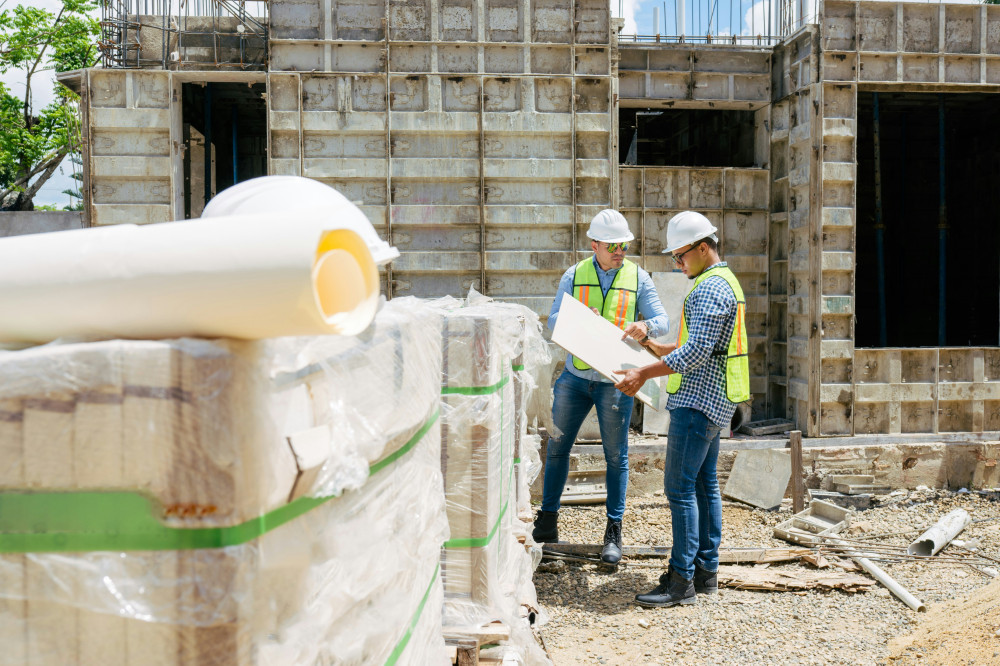
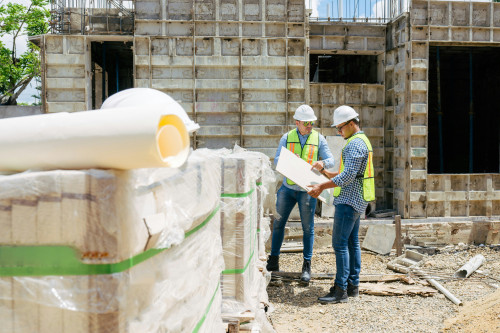
Traditionally, construction has been divided into distinct professional silos: architects design, engineers calculate, and builders construct. But as technology becomes more integral to every stage of a project, collaboration across disciplines is essential. IT specialists, data scientists, and software developers are now as critical to a project’s success as structural engineers and project managers.
Cross-disciplinary teams can create solutions that merge technical expertise with digital innovation. For example, algorithms can optimise energy use in buildings, while mobile apps can help site workers record progress and safety checks in real time. When diverse skill sets meet, innovation flourishes—and that’s where the next generation of building technologies is born.
Læs også:
Building Sustainability Through Technology
Sustainability is one of the most powerful drivers of digital transformation in construction. With the help of data, it’s now possible to simulate a building’s energy performance, material lifecycle, and carbon footprint before a single foundation is laid. This enables more informed design choices and helps reduce environmental impact.
In New Zealand, where climate resilience and sustainable development are national priorities, digital tools are supporting the shift toward greener construction. Sensors and smart systems can monitor building performance in real time, allowing for predictive maintenance and energy optimisation. This not only extends the lifespan of buildings but also reduces operational costs and emissions—key goals in the country’s journey toward a low-carbon future.
Challenges: Skills, Culture, and Change
Despite the promise of digital transformation, the path forward is not without challenges. Many construction firms struggle to find professionals who understand both building and IT. Bridging this gap requires a cultural shift—from relying on experience and intuition to embracing data and analytics.
Education and training are crucial. New Zealand’s universities, polytechnics, and industry training organisations have a vital role to play in developing programmes that combine construction knowledge with digital literacy. At the same time, business leaders must be willing to invest in technology and upskilling, even when the returns are long-term rather than immediate.
The Future Site: Digital, Sustainable, and Human
While technology is transforming the industry, construction will always remain a human endeavour. It’s people who design, build, and inhabit the spaces we create. But with the right digital tools, they can work more safely, efficiently, and creatively.
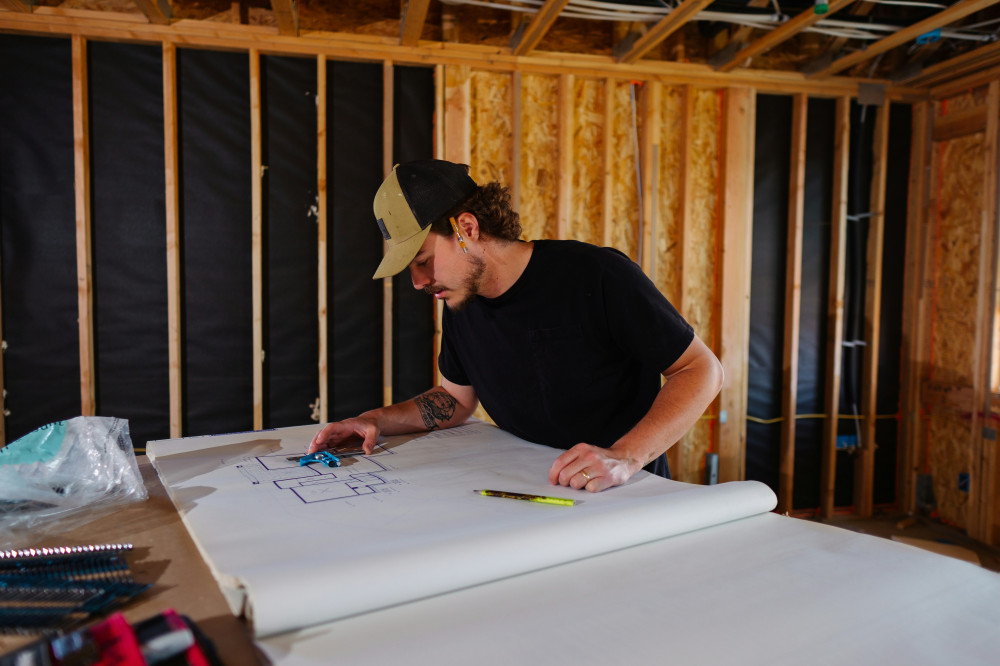
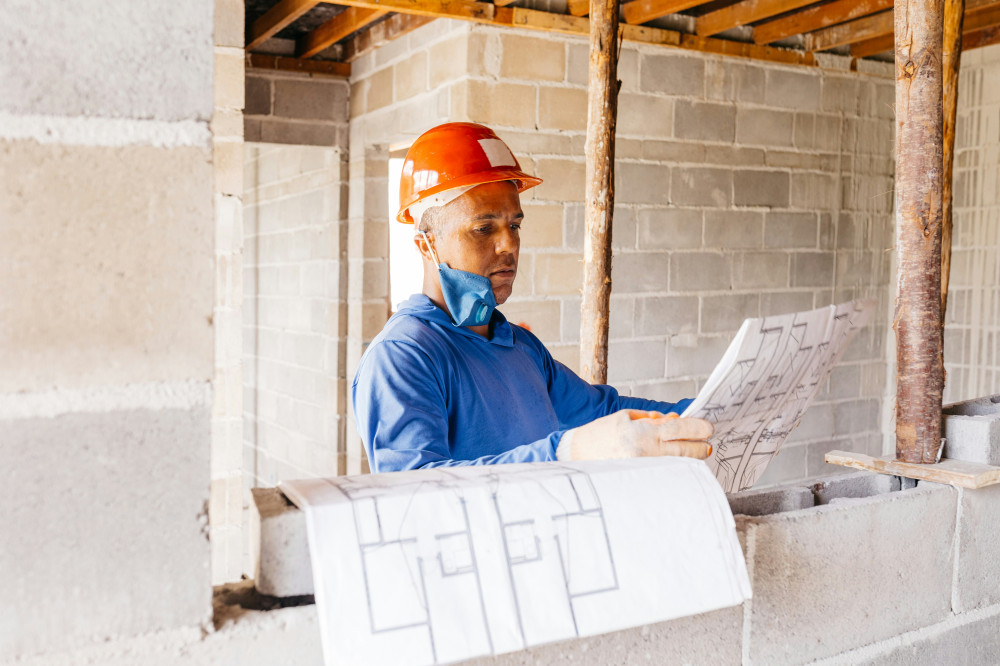
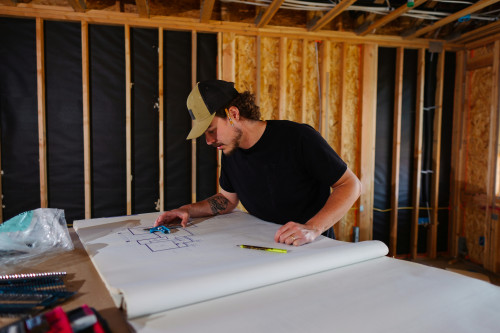
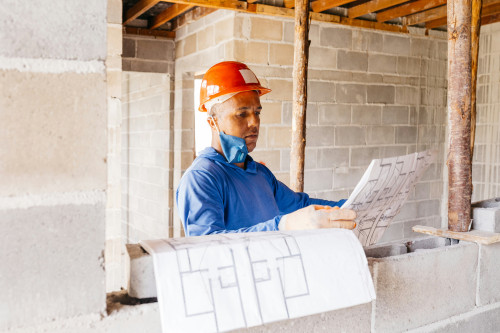
The construction site of the future will feature tablets instead of paper plans, drones instead of scaffolding inspections, and data dashboards instead of guesswork. Yet the real progress will come from collaboration—between disciplines, between people, and between technology and craftsmanship.
When IT meets construction, it’s not just about building smarter. It’s about building better—together.
Læs også: