Planning with Structure: How to Reduce Risks and Delays in Construction Projects

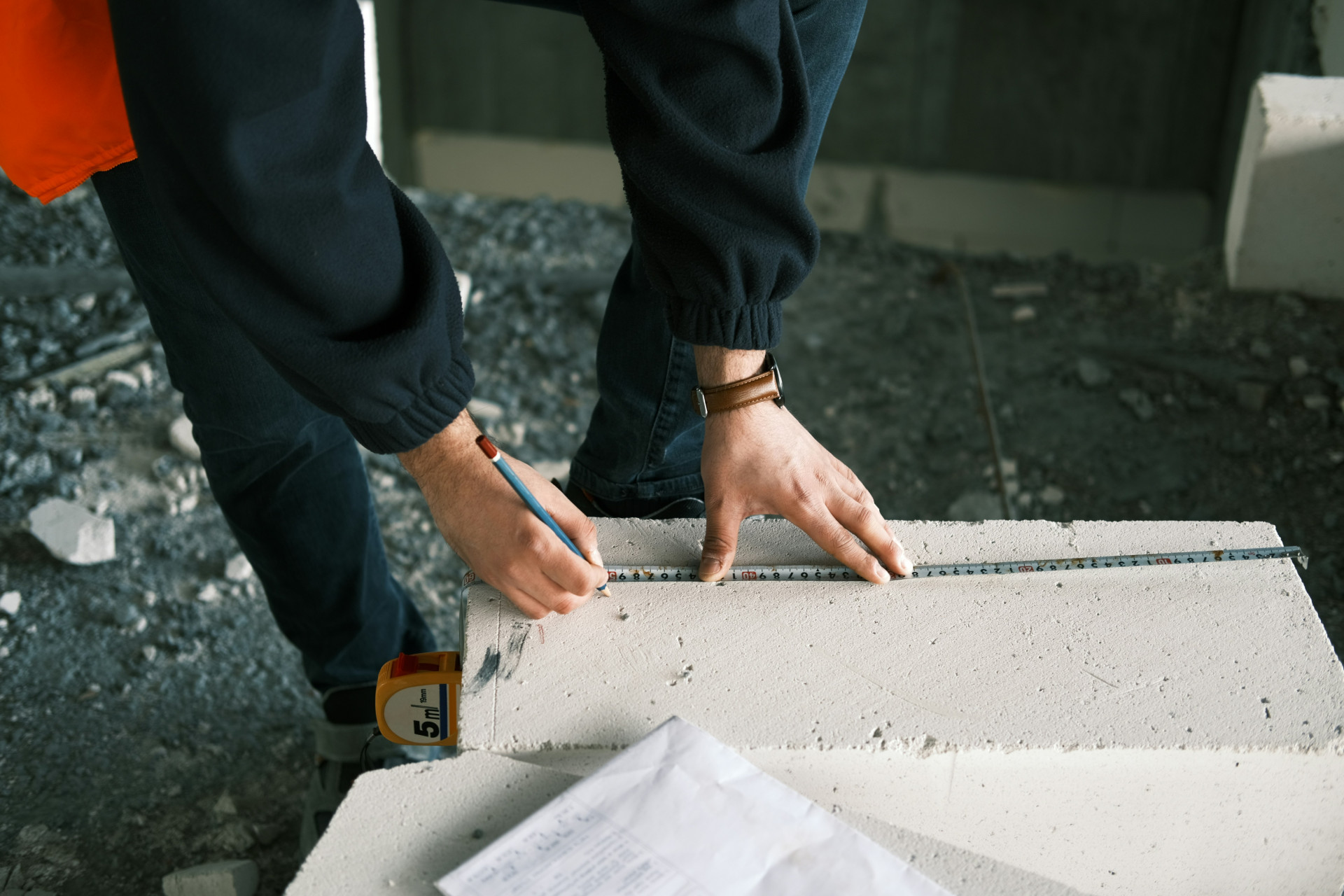
Planning with Structure: How to Reduce Risks and Delays in Construction Projects
Construction projects in New Zealand are often complex undertakings. They involve multiple stakeholders, significant investment, and a range of environmental and regulatory considerations. From large-scale infrastructure to residential developments, success depends on how well the project is planned and managed. Without a clear structure, even the best-intentioned projects can face delays, cost overruns, and disputes. Here’s how structured planning can help reduce risks and keep your project on track.
Start with a Realistic Schedule
One of the most common causes of delays is an overly optimistic timeline. Weather conditions, supply chain disruptions, and consent processes can all affect progress—especially in New Zealand, where regional climate variations and local council requirements can differ widely.
Base your schedule on real data and past experience. Build in contingency time for unexpected events, not as wasted space but as part of a realistic plan. This flexibility allows you to absorb disruptions without derailing the entire project.
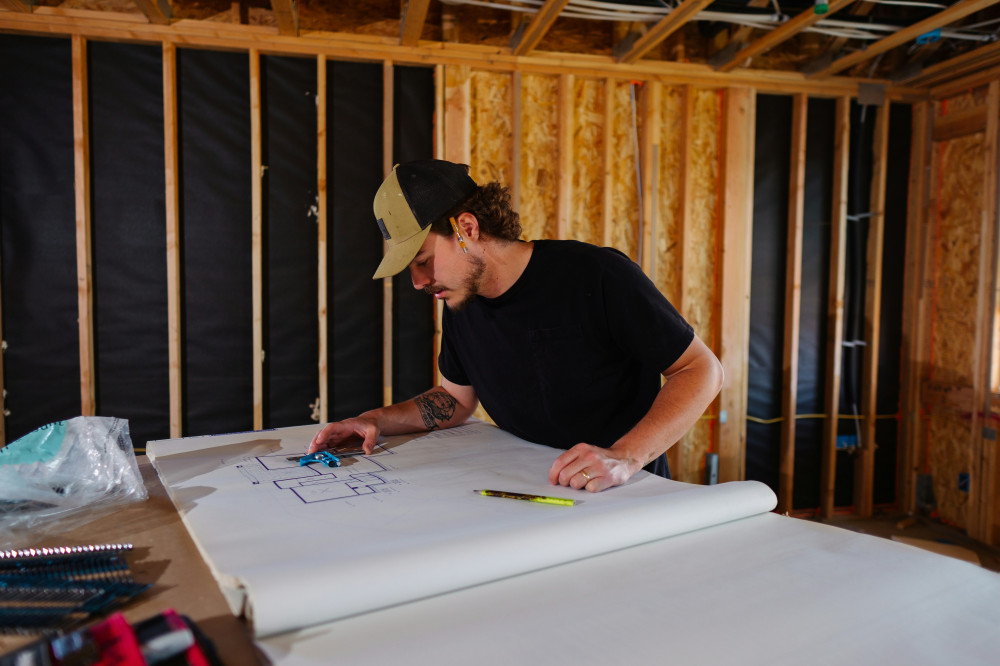
Digital scheduling tools can help visualise dependencies between tasks. When you can see how one delay affects the rest of the project, it becomes easier to make informed adjustments early.
Make Risk Management an Ongoing Process
Risk management should be integrated into every stage of planning, not treated as a one-off exercise. Begin by identifying potential risks—technical, financial, environmental, and organisational. Assess their likelihood and potential impact, and develop strategies to prevent or mitigate them.
Common risks in New Zealand construction projects include:
- Delays in material deliveries due to global supply chain issues
- Unforeseen ground conditions, especially in seismic zones
- Changes in building codes or council consent requirements
- Shortages of skilled labour in specialised trades
Maintain a live risk register that is updated throughout the project. This allows the project team to respond quickly when conditions change, providing confidence to both clients and contractors.
Define Roles and Communication Channels Clearly
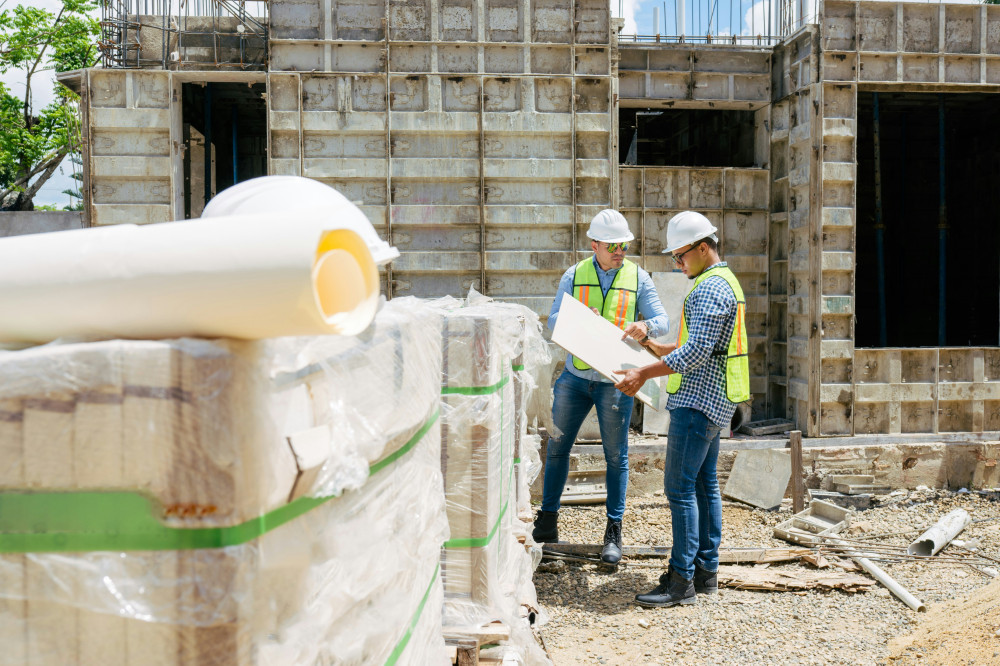
With many parties involved—clients, consultants, contractors, and subcontractors—clear role definitions are essential. Who has decision-making authority? Who approves design changes? How are updates shared?
A structured communication plan reduces misunderstandings and duplication of work. Hold regular progress meetings and ensure all stakeholders have access to the same up-to-date information. Cloud-based collaboration platforms are particularly useful for teams working across different locations or organisations.
Læs også:
Documentation and Traceability
Good documentation is more than a compliance requirement—it’s a management tool. Recording decisions, design changes, and milestones ensures that everyone understands the project’s history and rationale.
This traceability helps resolve disputes and supports continuous improvement. Many New Zealand firms now use digital site diaries and version-controlled document systems to ensure that all team members are working from the latest information.
Continuous Monitoring and Adjustment
Even the best plan needs regular review. Schedule consistent progress checks to assess whether the project is on time, on budget, and meeting quality standards. Use key performance indicators to track progress and identify emerging issues early.
When deviations occur, address them promptly and systematically. This might mean revising the schedule, reallocating resources, or adjusting the scope. The key is to make changes based on data and analysis, not on reactive decisions.
Collaboration and Culture as Success Factors
Processes and systems are vital, but people make the difference. A culture of collaboration and transparency between clients, designers, and contractors often determines whether a project succeeds.
Encourage open communication where challenges can be raised early and mistakes are treated as learning opportunities. Building trust takes effort, but it pays off through fewer conflicts, faster problem-solving, and better project outcomes.
From Plan to Practice
Structured planning isn’t about creating more paperwork—it’s about building a shared understanding and a resilient framework for delivery. When scheduling, risk management, communication, and monitoring are aligned, complex construction projects become far easier to manage.
It takes discipline and ongoing attention, but the rewards are clear: fewer delays, lower costs, and stronger partnerships from the first site meeting to project completion. In New Zealand’s dynamic construction environment, structured planning is not just good practice—it’s a competitive advantage.
Læs også: