Less Waste, More Sustainability: How to Optimise Your Inventory

Less Waste, More Sustainability: How to Optimise Your Inventory
Running an efficient warehouse isn’t just about keeping the right products in stock – it’s about reducing waste, cutting costs, and building a more sustainable operation. In New Zealand, where businesses are increasingly focused on environmental responsibility and resource efficiency, optimising your inventory is one of the most practical ways to make a real difference. Here’s how you can create a more sustainable and effective inventory system – without compromising on service or quality.
Know Your Inventory – and Your Data
The first step toward sustainable inventory management is gaining visibility. Many businesses hold more stock than they need simply because they lack accurate data on demand and usage patterns.
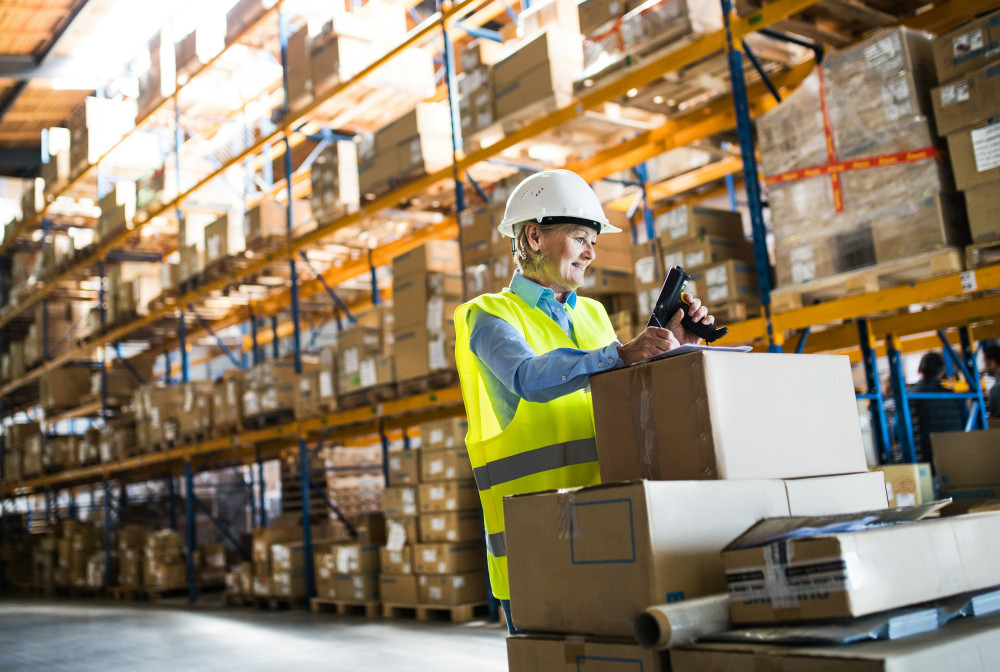
By using a modern warehouse management system (WMS), you can identify which products move quickly and which sit idle. This insight allows you to adjust purchasing, avoid overstocking, and reduce the risk of items becoming obsolete or wasted.
Good data also helps you forecast seasonal fluctuations – for example, increased demand for outdoor gear in summer or for local produce during harvest seasons – and plan purchases more precisely. That means less waste, lower costs, and a smaller environmental footprint.
Apply “Just-in-Time” – with Care
The “just-in-time” principle focuses on having goods available when needed – and not before. It can reduce both waste and storage costs, but it depends on a reliable supply chain and strong relationships with suppliers.
For many small and medium-sized New Zealand businesses, a full just-in-time model can be risky, especially given the country’s distance from major markets and potential shipping delays. Instead, consider a hybrid approach: identify which products can be replenished quickly from local suppliers and which require longer lead times. This way, you can gradually reduce stock levels without risking empty shelves.
Extend the Life of Your Products
A sustainable inventory strategy also means thinking about reuse and repurposing. Look for ways to extend the life of products that might otherwise go to waste. You could offer discounts on items nearing their best-before date, donate surplus goods to community organisations, or partner with recycling initiatives.
For packaging and materials, consider take-back schemes or work with suppliers who use recyclable or compostable options. Many New Zealand companies are already moving toward circular solutions – joining them not only reduces waste but also strengthens your brand’s reputation for responsibility.
Læs også:
Optimise Space – and Energy Use
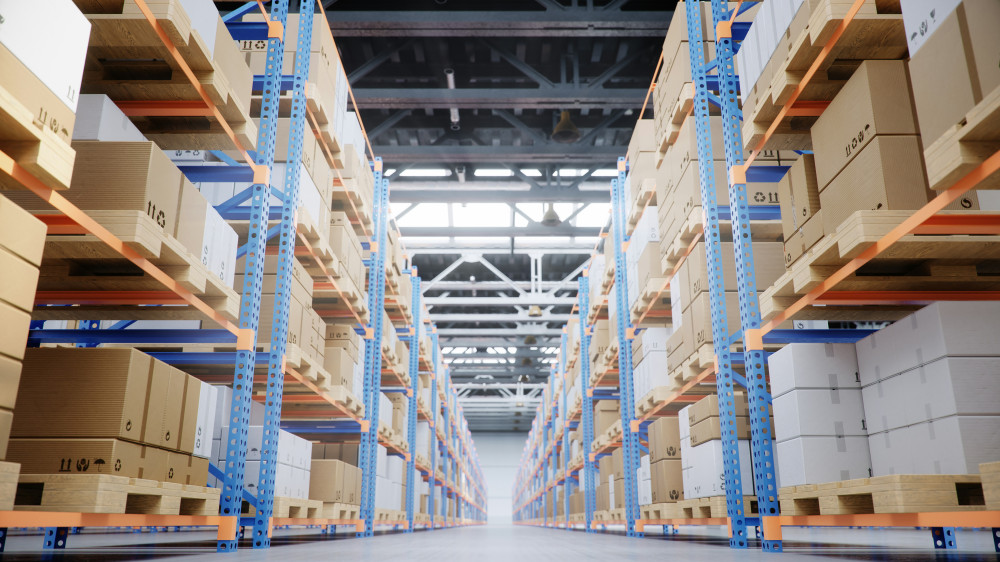
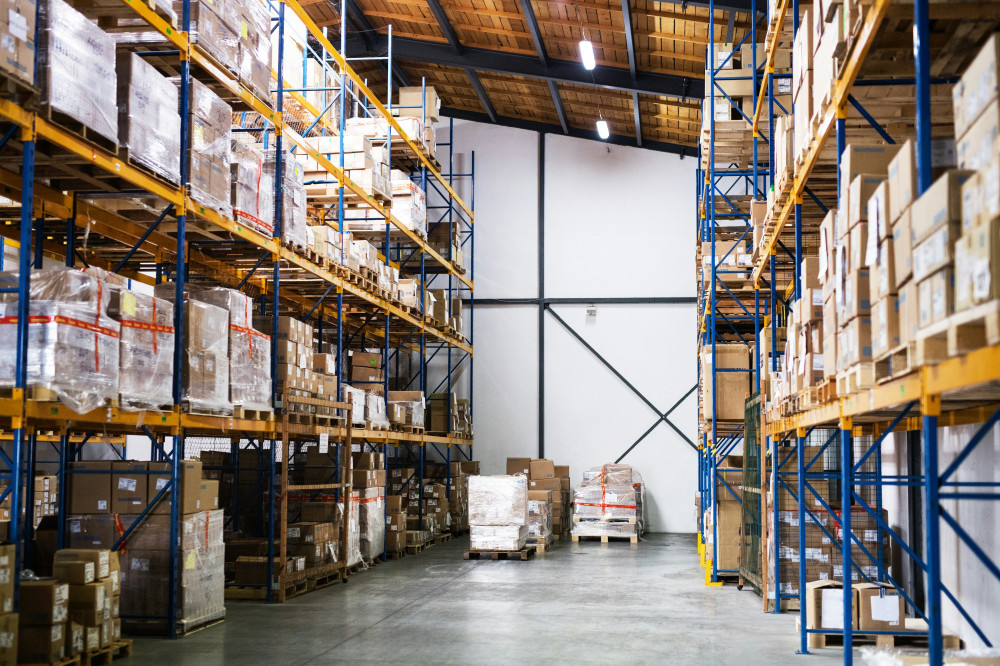
A well-organised warehouse is both more efficient and more sustainable. By using your space effectively, you can avoid the need for additional storage facilities and save on energy and resources.
Try implementing zone storage, where fast-moving items are placed close to picking areas and slower-moving ones further away. This reduces travel time, fuel use for forklifts, and overall energy consumption.
You can also cut energy use by switching to LED lighting, installing motion sensors, and ensuring that cooling and ventilation systems run efficiently. Even small changes can lead to significant savings over time – both financially and environmentally.
Engage Your Team
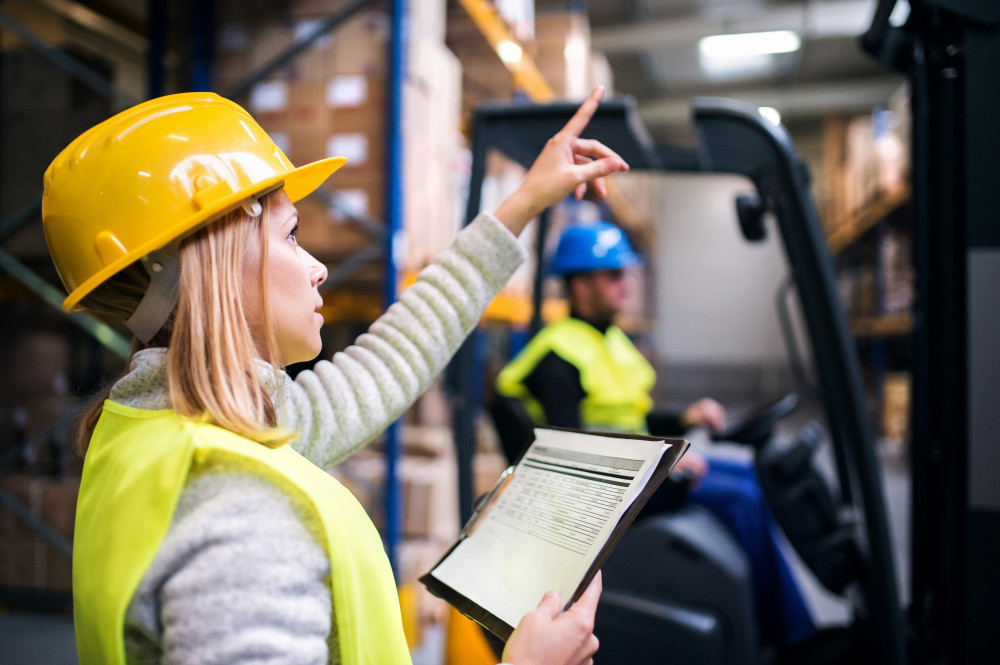
Sustainability and efficiency aren’t achieved by systems alone – they’re driven by people. Involve your staff in efforts to reduce waste and improve processes. Often, those working on the warehouse floor have the best insights into where time, space, or materials can be saved.
Hold regular workshops or idea sessions where employees can share suggestions and test new approaches. This builds ownership and engagement – and can lead to creative solutions that benefit both the environment and your bottom line.
Measure, Adjust, and Repeat
Inventory optimisation isn’t a one-off project; it’s an ongoing process. Set clear goals for reducing waste, energy use, and capital tied up in stock, and review progress regularly. Use data to evaluate what’s working and where there’s room for improvement.
By continuously refining your approach, you can build an inventory system that not only performs better but also contributes to a more sustainable business model.
A Greener Warehouse Is a Stronger Warehouse
When you reduce waste, you don’t just save money – you strengthen your business and its reputation. A sustainable warehouse reflects responsibility, efficiency, and foresight. And in a country like New Zealand, where customers and partners increasingly value environmental stewardship, that commitment can be the key to long-term success.
Læs også: