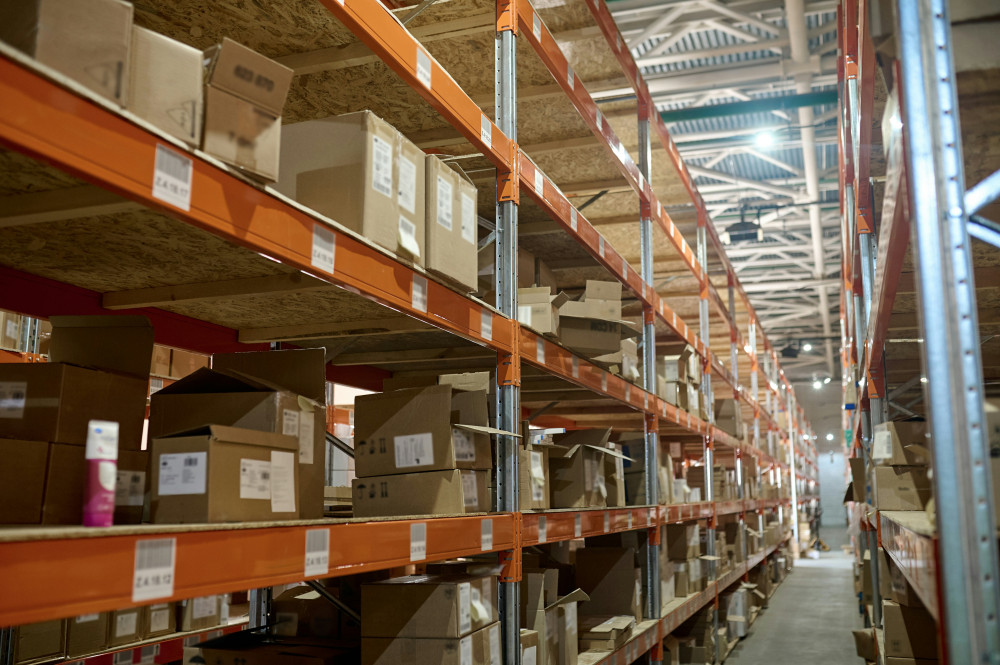
The Impact of Digitalisation on Warehouse Design: From Planning to Operation


The Impact of Digitalisation on Warehouse Design: From Planning to Operation
Digitalisation has rapidly transformed the way warehouses are designed and operated. Once seen primarily as storage facilities, warehouses are now intelligent hubs where data, automation, and smart systems drive efficiency and competitiveness. From the earliest planning stages to daily operations, digital tools are reshaping how New Zealand businesses manage logistics in an increasingly connected world.
From Intuition to Data-Driven Design
In the past, warehouse design often relied on experience and manual calculations. Today, digital tools such as 3D modelling, simulation, and data analytics provide a far more accurate foundation for decision-making. By analysing data on product flow, picking frequency, and seasonal demand, companies can design layouts that maximise space and minimise downtime.
Digital planning platforms allow designers to test multiple scenarios before construction begins. This means decisions are based on measurable insights rather than intuition, reducing costly design errors and improving long-term adaptability.
Automation as a Core Design Element
Automation is no longer an add-on—it is a fundamental design parameter. Modern warehouses must accommodate automated conveyors, robotic arms, autonomous guided vehicles (AGVs), and picking robots. These systems require specific layouts, power infrastructure, safety zones, and seamless software integration.
Digital design tools make it possible to simulate how automated systems move and interact with workers and goods. This creates safer, more efficient environments where people and machines collaborate effectively. In New Zealand, where labour shortages and high land costs are ongoing challenges, automation offers a way to boost productivity without expanding physical footprints.
Real-Time Warehouse Management
Once a warehouse is operational, digitalisation ensures visibility and control. Modern Warehouse Management Systems (WMS) track every item in real time—from arrival to dispatch. Sensors, barcodes, and RFID tags automatically record movements, feeding data into systems accessible from computers, tablets, or mobile devices.
This real-time insight allows managers to respond quickly to changes in demand, delays, or errors. Workers receive precise instructions on where items are located and how to handle them, reducing mistakes and improving order accuracy. For New Zealand exporters, especially in sectors like food and beverage, this traceability is vital for meeting international quality and safety standards.
Data as a Strategic Resource
A digital warehouse generates vast amounts of data—and that data is a powerful asset. By analysing patterns in movement, capacity use, and error rates, businesses can identify bottlenecks and continuously improve operations. Artificial intelligence and machine learning can even predict future needs, allowing proactive adjustments to inventory and staffing.
For example, predictive algorithms can forecast which products will be in high demand during peak export seasons, helping companies prepare in advance. This data-driven approach supports resilience and agility in a market where supply chain disruptions have become more common.
People in the Digital Warehouse
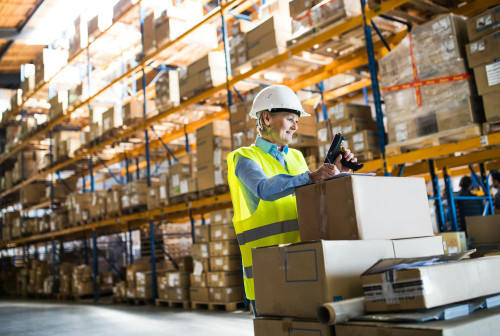
Despite the rise of automation, people remain central to warehouse success. Digitalisation is not just about machines—it’s about empowering employees with better tools. With digital dashboards, augmented reality (AR) glasses, and mobile devices, workers can access real-time information and perform tasks more efficiently.
However, digital transformation also demands new skills. Training and upskilling are essential so that staff can understand and leverage digital systems effectively. In New Zealand, where small and medium-sized enterprises dominate the logistics sector, investing in workforce development is key to realising the full benefits of digitalisation.
Læs også:
The Future: Flexibility and Sustainability
Digitalisation enables a new way of thinking about warehouse design—one that prioritises flexibility and sustainability. Modular layouts, scalable automation, and data-driven decision-making make it easier to adapt to market changes. At the same time, digital tools can help reduce energy consumption, optimise transport routes, and minimise waste.
As New Zealand continues to strengthen its position in global trade, the warehouses of the future will function as intelligent ecosystems where technology, people, and processes work together in real time. The goal is no longer just to store goods, but to create a digital flow that supports the entire supply chain—efficiently, sustainably, and intelligently.
Læs også: