Training with Insight: Develop Programs that Strengthen Understanding of the Entire Warehouse Flow

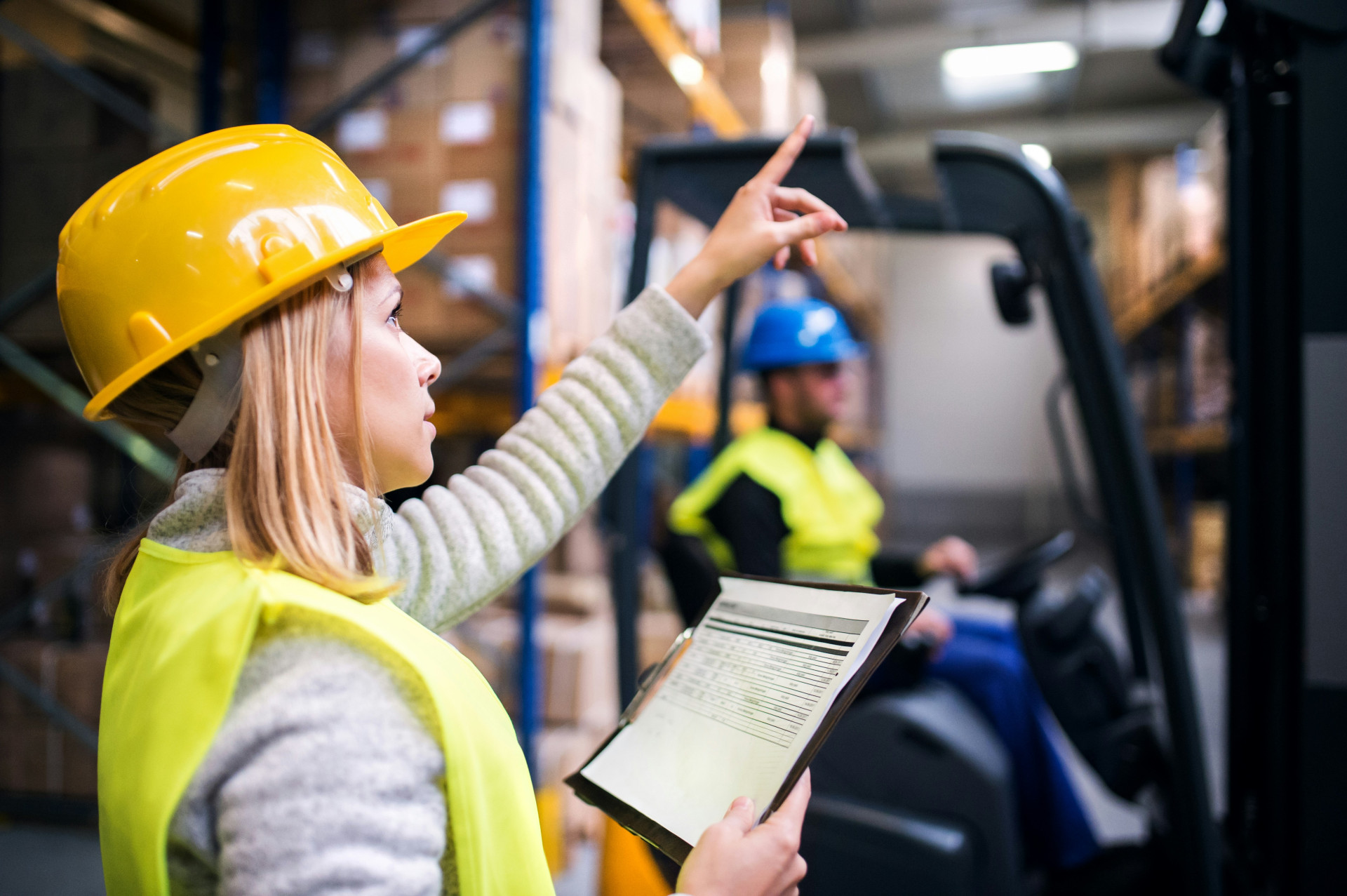
Training with Insight: Develop Programs that Strengthen Understanding of the Entire Warehouse Flow
An efficient warehouse is not just about moving goods from one point to another. It’s about understanding the entire flow – from purchasing and receiving to picking, packing, and dispatch. Many operations find that staff know their own tasks well but lack insight into how their work connects with the rest of the process. That’s why training programs that build a holistic understanding of warehouse operations are becoming increasingly valuable. They don’t just improve collaboration – they reduce errors and boost overall performance.
Why a Whole-Flow Perspective Matters
When employees understand how their actions affect the next stage in the process, it changes how they think and work. A picker who knows how data entry errors delay dispatch will pay closer attention to accuracy. A receiver who understands the impact of incorrect labelling will ensure goods are properly recorded from the start.
This broader perspective fosters accountability and cohesion. It helps teams identify bottlenecks, streamline workflows, and develop a shared language across departments. The result is fewer misunderstandings and a smoother, more reliable warehouse flow.
Training That Mirrors Real Operations
The most effective training programs simulate real-life conditions. This can include digital simulations, role-playing, or practical exercises where staff rotate between different functions. By experiencing the full process, employees see how decisions in one area influence outcomes elsewhere.
For example, participants might follow a product from arrival to dispatch, noting where delays or errors could occur. This hands-on approach builds a concrete understanding of how data, communication, and physical handling are interconnected.
Digital learning platforms can also play a key role. Interactive modules that visualise the warehouse flow and test knowledge through realistic scenarios make learning flexible and accessible – ideal for shift-based teams or busy periods. In New Zealand, where many logistics operations serve both domestic and export markets, such flexibility ensures consistent training across diverse teams and time zones.
Engagement and Feedback as Drivers of Learning
A strong training program is not just about delivering information – it’s about engaging people. When employees can share their experiences and ideas, learning becomes more relevant and grounded in everyday practice.
Feedback is essential. Reviewing exercises and discussing what worked – and what didn’t – creates a culture where learning and improvement go hand in hand. This approach strengthens teamwork and motivation, which are especially important in New Zealand’s close-knit warehouse environments, where collaboration often extends across small, multi-skilled teams.
Læs også:

Leadership’s Role in Building Insight
For training to have lasting impact, leadership must actively support it. That means allocating time, resources, and attention to learning – and using the outcomes to improve daily operations. When leaders demonstrate that understanding the full warehouse flow is a priority, it sets the tone for the entire organisation.
Integrating this type of training into onboarding is also a smart move. New employees who gain early insight into the full process are better equipped to make informed decisions and contribute effectively from day one. Over time, this builds a culture where awareness and collaboration are part of the warehouse DNA, not just a temporary initiative.
From Training to Continuous Improvement
A training program is only successful when it leads to lasting changes in behaviour and results. That’s why follow-up is crucial: Are error rates dropping? Is communication improving? Do employees feel they understand the bigger picture?
When learning becomes an ongoing process – supported by reflection, measurement, and dialogue – employees see that their efforts make a real difference. The outcome is a stronger, more connected warehouse flow. That’s where training with insight proves its true value: as an investment in people, performance, and the long-term success of New Zealand’s logistics and supply chain operations.
Læs også: