Artificial Intelligence Explained: How AI Differs from Traditional Software

Artificial Intelligence Explained: How AI Differs from Traditional Software
Artificial intelligence – or AI – is one of the most talked‑about technologies of our time. It powers everything from search engines and digital assistants to image editing and medical research. But what exactly makes AI different from the software we’ve used for decades? To understand that, we need to look at how AI works and how it departs from the traditional way of programming.
Traditional Software: Rules and Logic
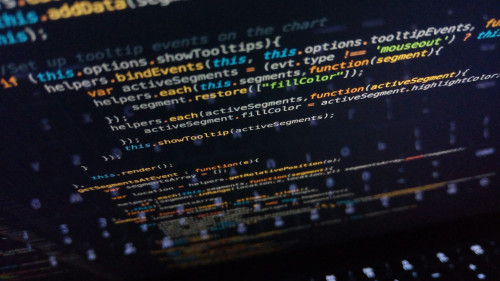
In traditional software development, programmers tell the computer exactly what to do. The code is built on fixed rules and instructions: “If A happens, then do B.” This means the program can only handle situations that the developer has anticipated.
Think of a spreadsheet, a word processor, or an accounting system. They perform tasks quickly and accurately, but they don’t learn from experience. If something unexpected occurs—something not described in the code—the program stops or produces an error.
This approach has served us well for decades, but it has its limits, especially when tasks become complex, unpredictable, or require a kind of “understanding.”
AI: Software That Learns from Data
Artificial intelligence turns this logic upside down. Instead of programming every rule in advance, AI systems learn patterns from large amounts of data. This process is called machine learning—a method where algorithms are trained to recognise relationships, predict outcomes, or make decisions.
A simple example is an image recognition system. Instead of telling the computer what a cat looks like, we show it thousands of pictures of cats and non‑cats. Over time, the system learns to tell the difference on its own. The more data and feedback it receives, the better it becomes.
This ability to learn and improve makes AI flexible and useful in situations where traditional programs would struggle—such as understanding language, analysing images, or providing personalised recommendations.
From Code to Model
Another key difference lies in how AI is built. In traditional software, the code itself is the product. In AI, the code is just the tool used to create a model—a mathematical representation of what the system has learned from data.
Once the model is trained, it can be used to solve tasks without being rewritten. This means AI systems can adapt to new situations as long as they have access to relevant data. It’s a completely different way of thinking about software: from static rules to dynamic learning.
Benefits and Challenges
AI’s strength lies in its ability to handle complex patterns and massive data sets. It can uncover insights that humans might miss and automate tasks that once required human judgment. That makes it invaluable in areas like healthcare diagnostics, customer service, and transport.
But AI also brings challenges. Because it learns from data, it can inherit the biases present in that data. It can also be difficult to interpret—sometimes we don’t know exactly why it made a particular decision. That’s why there’s growing focus on transparency and ethical responsibility in AI development and use.
AI in Everyday Life
Although AI might sound high‑tech and distant, it’s already part of daily life in New Zealand. When you get movie or music suggestions online, when your phone recognises your face, or when you chat with a virtual assistant on a company website—AI is working behind the scenes.
These systems don’t just follow fixed rules; they continuously learn from your choices and preferences. That makes them more personal—but also more dependent on data about you. As New Zealanders become more connected through smart devices and digital services, understanding how AI uses data becomes increasingly important.
Læs også:

The Future: Collaboration Between Humans and Machines
AI isn’t a replacement for traditional software—it’s a complement. The two approaches will continue to coexist. Where classical software provides stability and predictability, AI offers flexibility and learning. Combining the two can create systems that are both reliable and intelligent.
Ultimately, the goal isn’t to let machines take over, but to use their strengths to expand our own capabilities. Artificial intelligence isn’t magic—it’s mathematics, data, and human creativity working together.
Læs også: