Software and Society: How Technology Is Changing the Way We Collaborate

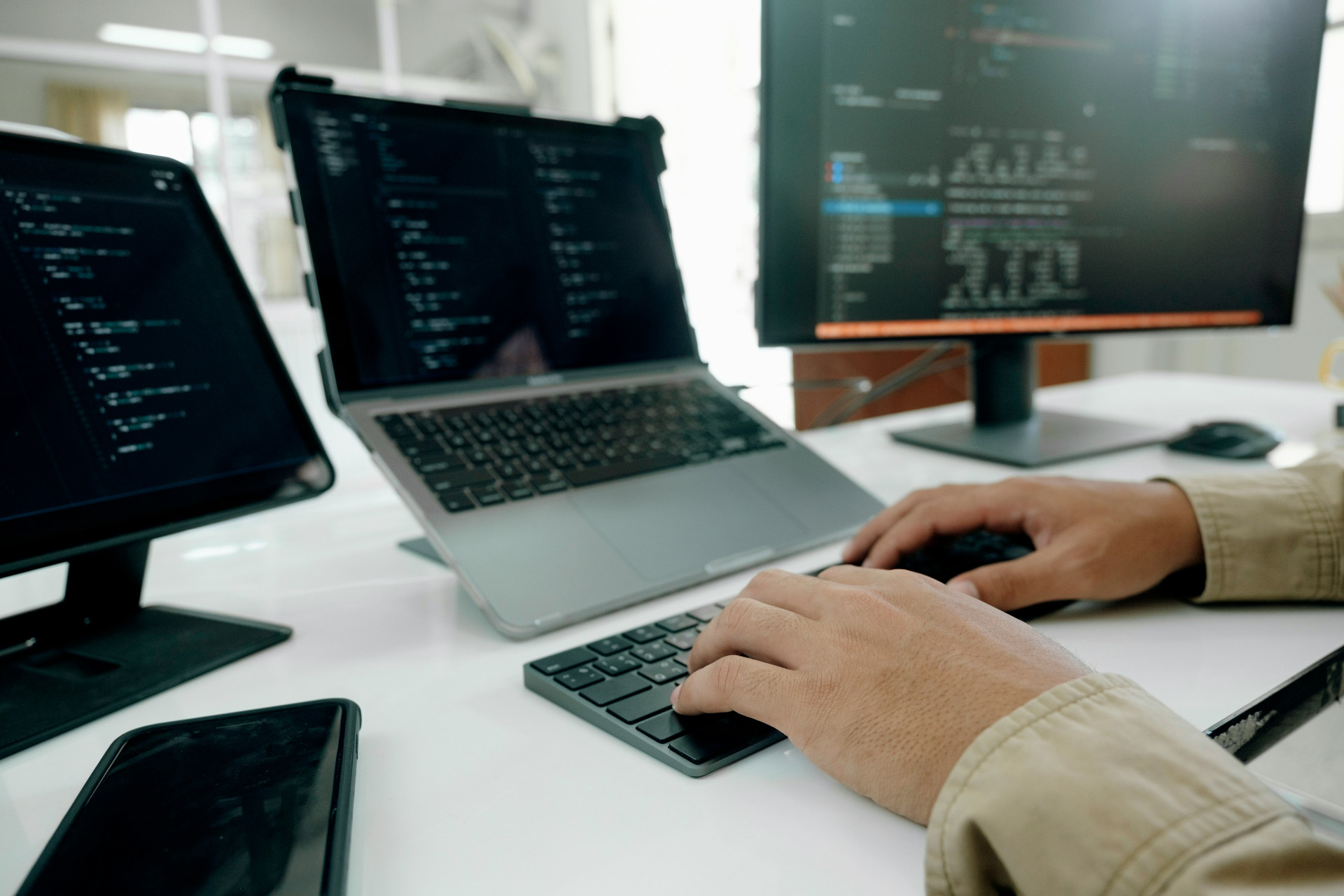
Software and Society: How Technology Is Changing the Way We Collaborate
Collaboration has always been at the heart of human progress – from early communities working together to build and trade, to the modern global economy. In recent decades, however, software and digital tools have transformed not just how we work together, but what collaboration itself means. Technology has made teamwork faster, more flexible, and more connected – yet it has also introduced new challenges that shape how we live and work in Aotearoa New Zealand and beyond.
From the Office to the Cloud
Not long ago, collaboration meant gathering in meeting rooms, sharing printed reports, and brainstorming around a whiteboard. Today, the digital workspace has become the new office. Platforms like Microsoft Teams, Slack, and Google Workspace allow people to share ideas, documents, and decisions in real time, no matter where they are.
This shift accelerated during the COVID-19 pandemic, when remote and hybrid work became the norm. Many New Zealand organisations – from government departments to tech start-ups in Wellington and Auckland – discovered that digital collaboration wasn’t just a temporary fix, but a more sustainable way of working. It reduces commuting time, supports work–life balance, and opens access to talent across the country, including in regional areas like Hawke’s Bay or Southland.
Læs også:



New Forms of Connection and Communication
When collaboration moves online, the way we communicate changes too. Conversations become more written, and the casual chats that once happened over coffee are replaced by emojis, gifs, and quick messages. These new forms of expression can still create a sense of closeness, even across distance.
Digital tools also make it easier to include more voices in decision-making. Shared documents and open channels allow everyone to contribute ideas, fostering innovation and transparency. But this openness requires clear communication norms and mutual respect to prevent misunderstandings and information overload.
Working Across Borders and Cultures
Technology has made it possible for New Zealanders to collaborate with colleagues around the world as easily as with those across town. A design team might include members in Christchurch, Sydney, and Singapore, all working together through the same digital platforms.
This global connectivity brings diversity of thought and creativity, but it also demands cultural awareness and coordination. Time zones, communication styles, and expectations can differ widely. Software helps bridge these gaps, but successful collaboration still depends on empathy and understanding – qualities that no app can automate.
Artificial Intelligence as a New Teammate
The rise of artificial intelligence (AI) is adding a new dimension to collaboration. AI tools can now draft reports, analyse data, and suggest solutions that humans refine and build upon. This changes how teams divide tasks and raises important questions: Who is responsible for decisions when algorithms contribute? How do we ensure that technology is used ethically and transparently?
For many New Zealand professionals, AI is becoming a helpful partner – freeing time for creative and strategic work. Yet there’s also concern that automation could erode the human side of teamwork. Finding the right balance between efficiency and empathy will be one of the defining challenges of the digital age.
The Challenges of Always Being Connected
While software has made collaboration easier, it has also blurred the boundaries between work and personal life. The constant flow of messages, notifications, and online meetings can lead to digital fatigue and burnout. When work is always accessible, it becomes harder to switch off.
Some New Zealand organisations are responding by setting clearer expectations around online availability or encouraging “digital detox” periods. The goal is to ensure that technology supports collaboration rather than consuming it.
The Future: People and Technology in Harmony
The future of collaboration isn’t just about adopting the latest tools – it’s about building a culture where technology and humanity complement each other. Software can connect us, but trust, empathy, and shared purpose are what make collaboration truly work.
If we use technology consciously – as a means to strengthen relationships rather than replace them – we can create a society where collaboration is not only more efficient, but also more meaningful. In Aotearoa New Zealand, with our strong sense of community and innovation, that balance between people and technology may well become our greatest strength.
Læs også: