Technology and Community: How Digital Habits Shape Our Relationships


Technology and Community: How Digital Habits Shape Our Relationships
Technology is woven into nearly every part of daily life in New Zealand. We message friends, work remotely, shop online, and share moments through screens. Digital habits have made it easier than ever to stay connected – yet they’ve also changed how we relate to one another. The question is how technology shapes our sense of community and connection, both for better and for worse.
Connection Across Distance
One of the greatest benefits of digital media is the ability to stay close even when we’re far apart. Video calls, group chats, and social platforms allow families spread across the country – from Auckland to Invercargill – to share everyday life. For many Kiwis living overseas, digital tools are a lifeline to home, helping them stay part of family milestones and community events.
But being “present” through a screen isn’t the same as being there in person. Online communication often misses the subtle cues – body language, tone, and eye contact – that help us truly understand one another. This can lead to misunderstandings or a sense of superficial contact, even when we’re constantly in touch.
Social Media – Community or Comparison?
Social media has created new kinds of community. Local Facebook groups connect neighbours, while online forums bring together people with shared interests, from tramping to sustainable living. For young New Zealanders, digital spaces can be places of belonging and self-expression.
At the same time, these platforms can create pressure. When we scroll through carefully curated images of others’ lives, it’s easy to feel inadequate. Likes and comments can become a measure of self-worth, affecting confidence and wellbeing. Research from New Zealand universities shows that balance is key: when used mindfully, social media can strengthen relationships, but overuse can lead to stress and disconnection.
Digital Habits at Home
Technology has also changed family life. Screens can both connect and divide households. Shared streaming nights, online games, or video calls with grandparents can bring people together. Yet constant notifications and multitasking can make it hard to find calm, focused time with loved ones.
Many families are now setting “screen-free zones” – during dinner, for example, or before bedtime – to encourage conversation and rest. It’s not about rejecting technology, but about using it consciously, so that digital tools support rather than replace real connection.
Work and the Blurred Boundaries
The digital shift has transformed the way New Zealanders work. Remote and hybrid setups have given many people flexibility and access to opportunities beyond their local area. But they’ve also blurred the line between work and personal life. When emails and messages arrive at all hours, switching off becomes a challenge.
Online meetings and collaboration tools make teamwork possible across regions, yet they can also leave people feeling isolated. Many miss the spontaneous chats in the office kitchen – the small social moments that build trust and camaraderie. In response, some workplaces are investing in digital wellbeing initiatives and virtual communities to support both productivity and connection.
Læs også:

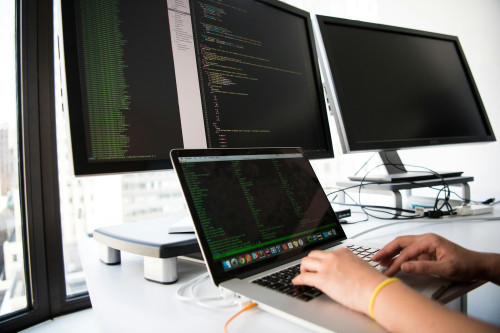

Technology as a Bridge, Not a Barrier
Technology itself isn’t good or bad – it’s how we use it that matters. When digital tools help us share experiences, support one another, and build community, they become powerful bridges between people. But when they replace genuine contact, we risk losing some of the depth that makes relationships meaningful.
Developing healthy digital habits is about awareness: choosing when to be online and when to step away. It’s about using technology to connect, not to distract.
A New Kind of Community
We’re living in a time when community is no longer defined solely by physical presence. Digital relationships can be just as real and valuable when they’re built on honesty, respect, and reciprocity. The challenge for the future is to find balance – to let technology strengthen what’s human, not overshadow it.
Læs også: