Create with the Screen: Digital Tools as Everyday Creative Expression

Create with the Screen: Digital Tools as Everyday Creative Expression
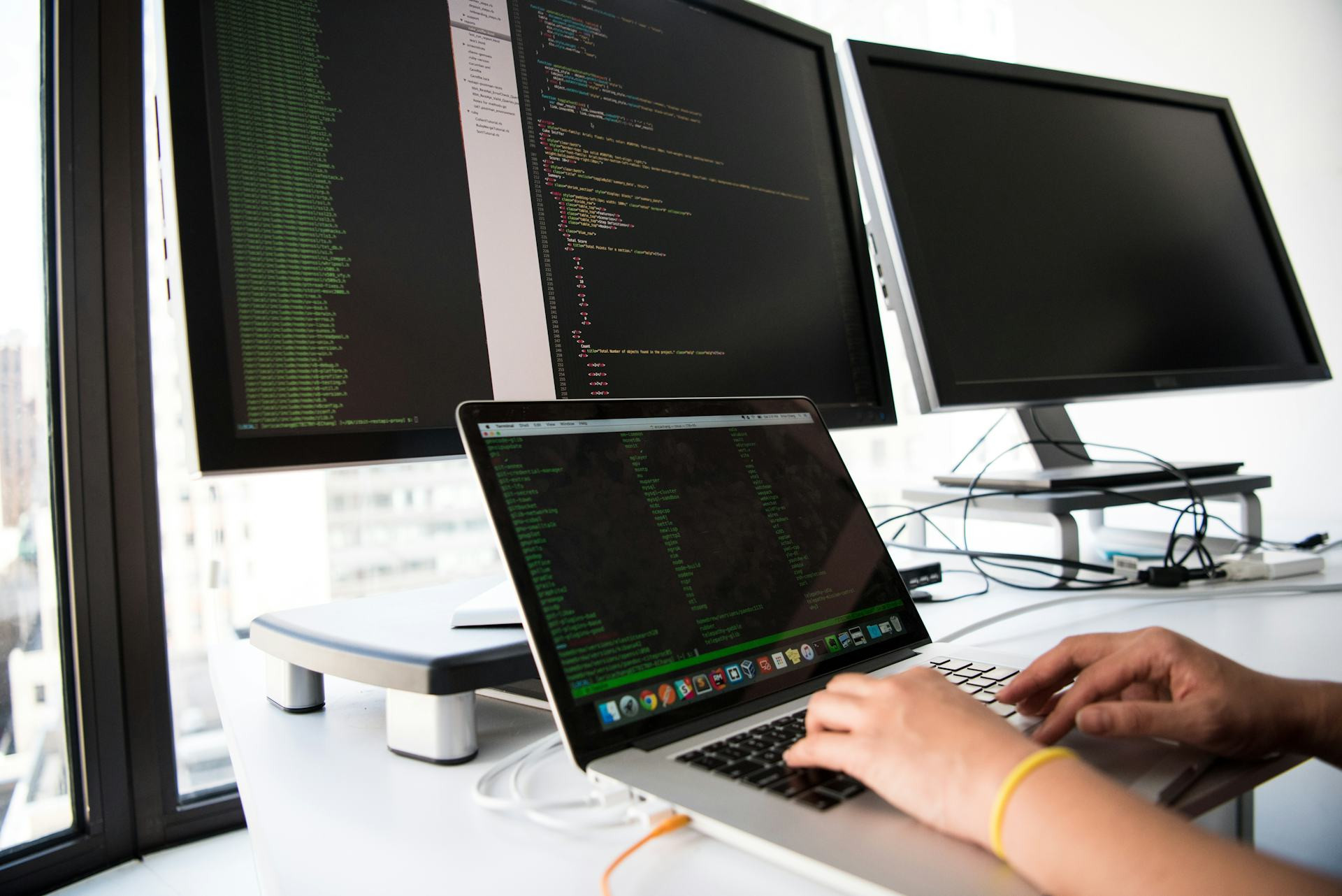
Today, the screen is more than a source of information or entertainment – it’s a creative studio. From smartphones and tablets to laptops and drawing tablets, we now have access to tools that let us make, experiment, and express ourselves in new ways. Digital media have become part of everyday life, offering opportunities to explore creativity whether we write, draw, photograph, compose, or design.
Creativity in Your Pocket
Not long ago, working with photography, video, or music required expensive equipment and specialised knowledge. Now, you can edit photos, record podcasts, or make short films directly on your phone. Apps like Procreate, GarageBand, and CapCut make it easy to create professional-looking results without being a professional.
Creativity is no longer reserved for those with access to a studio – it’s right there in your pocket, ready to be used on the bus, at a café, or at the kitchen table. Many people find that digital tools lower the barrier to getting started: you can experiment, undo, and try again without wasting materials or time.
When Technology Becomes Part of the Process
Digital tools don’t just change how we create – they shape the creative process itself. A drawing app allows you to work in layers, change colours with a tap, or combine photos and hand-drawn elements. Music software can blend acoustic and electronic sounds, while writing apps help with structure, idea development, and collaboration.
In this way, technology becomes a co-creator. It opens new forms of expression but also challenges us to use it consciously. The goal isn’t to let algorithms take over, but to use them as instruments that amplify our own ideas.
Everyday Creativity – Not Just for Artists
Creating digitally isn’t only about making art. It can also be a way to think creatively in everyday life. Many New Zealanders use digital tools to plan, visualise, or communicate in new ways – from designing invitations and making short videos to keeping digital journals or creating mood boards for social media.
For some, it’s a form of relaxation – a way to focus and lose track of time. For others, it’s a way to share thoughts and experiences with friends and communities. Whatever the purpose, the digital space can be a playground for exploration, where perfection isn’t the goal.
Community and Sharing
One of the great strengths of digital media is the ability to share your work with others. Online communities on platforms like Instagram, Behance, or TikTok make it easy to showcase projects, get feedback, and be inspired by others. This sense of connection can be motivating and help creativity flourish.
At the same time, it’s worth remembering that creativity isn’t measured in likes. The digital world can inspire, but it can also invite comparison. Sometimes, the healthiest approach is to create for your own enjoyment – and see sharing as an option, not an obligation.
Balancing Screen and Senses
While screens open up countless creative possibilities, creativity also thrives in moments away from them. A walk along the beach, a conversation, or a quiet moment without technology can spark new ideas. Many creators find that their best digital work comes when they combine the virtual with the physical – when inspiration comes from the world beyond the screen.
Creating with the screen is therefore not just about technique, but about balance. It’s about using technology as a tool for expression, reflection, and connection – without losing touch with the tangible world around us.
Læs også:



A New Kind of Everyday Creativity
Digital tools have made it possible for more people to explore their creative side – regardless of age, experience, or background. They give us the freedom to experiment, learn, and share on our own terms. In a time when screens are often blamed for distraction, they can also be a source of focus, calm, and joy in making.
Ultimately, creating with the screen is about using technology actively – not just as consumers, but as creators. That’s where the digital everyday becomes a space for imagination and expression.
Læs også: